
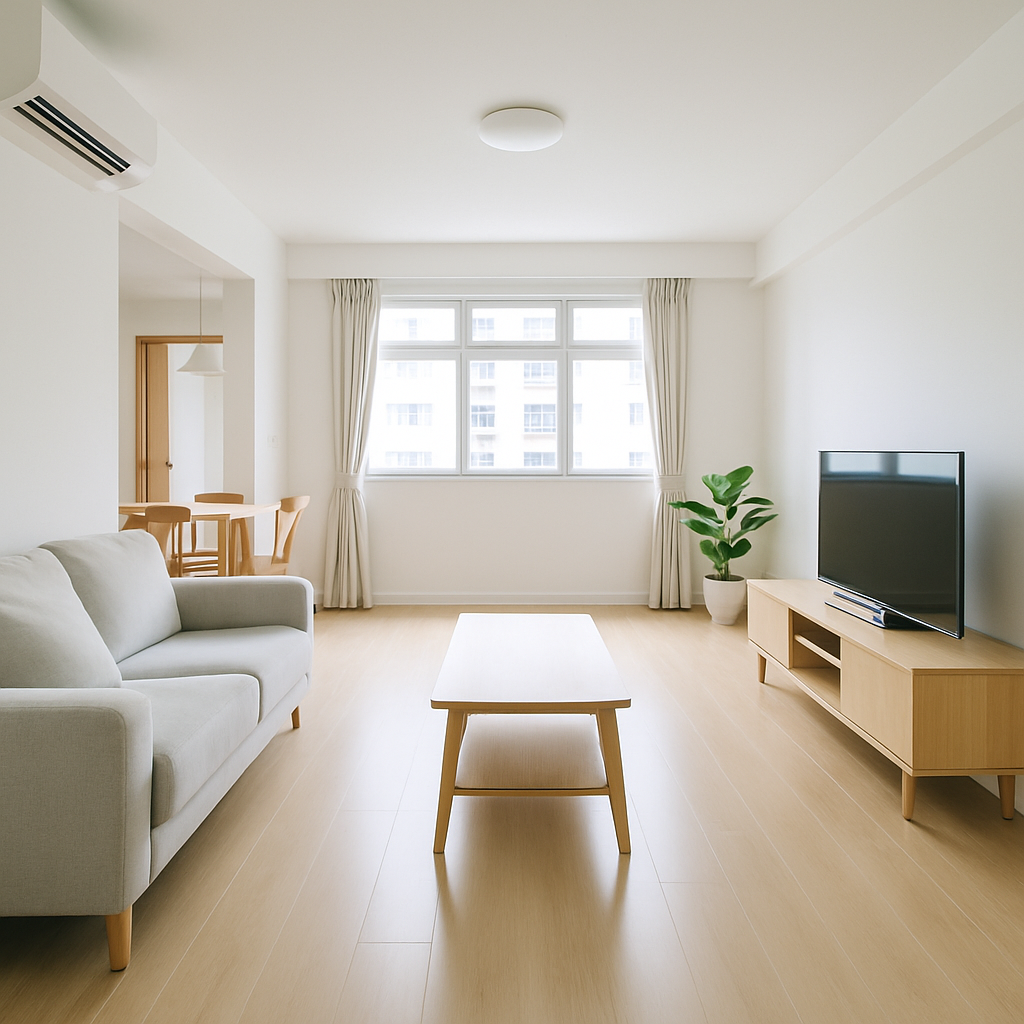
If you’ve been putting off a proper home reset, you’re not alone — Singapore’s humidity means dust, mould, and grease build up faster than most people realise, and a typical HDB or condo can go from tidy to truly grimy between festive seasons. Knowing how to spring clean your home in one day is less about working harder and more about having the right sequence, the right tools, and — honestly — knowing when to call in backup. Our team at Doctor Clean has helped hundreds of Singapore homeowners get through exactly this, and this guide walks you through how we’d approach it, room by room.
A Real Story — Tampines EC owner before Chinese New Year
A homeowner in a Tampines executive condominium reached out to us about two weeks before Chinese New Year, panicking because her in-laws were visiting and the unit hadn’t had a proper clean since her renovation TOP almost two years prior. She’d spent a Saturday scrubbing the kitchen herself, but the grease above the stove hood, the grime inside the tracks of her sliding wardrobe doors, and the yellowing grout in the master bathroom all defeated her — she told us she felt like she was just moving the dirt around. Our team arrived early on a weekday, worked through the unit systematically from top to bottom, and had the entire three-bedroom EC done by early afternoon, including the balcony and two bathrooms. She WhatsApp-ed us later that evening to say her mother-in-law had actually asked who her part-time cleaner was — the unit looked better than it had on move-in day.
Step 1 — Plan your sequence before you touch a single cloth
Before our team touches anything in a home, we map the job — and we strongly recommend homeowners do the same if they’re tackling it themselves. The golden rule is always top to bottom, back to front: ceiling fans and light fittings before floors, bedrooms and store rooms before the living area, and the kitchen last because grease cleaning always generates secondary mess. If you try to mop the floor first and then clean your fan blades, you’ve just doubled your work. Spending ten minutes mentally walking through your unit and grouping tasks by zone will save you hours of backtracking later in the day.
Step 2 — Declutter every room before any cleaning starts
This is the step most homeowners skip, and it’s why they run out of steam by noon. You cannot clean surfaces that are buried under objects — and in a typical Singapore HDB, there’s almost always a layer of accumulated items on countertops, shelves, and floors that needs to go somewhere first. Our team always does a fast declutter pass before any cleaning equipment comes out: rubbish bagged up, items returned to their proper home, surfaces cleared. In our experience, this step alone makes the actual cleaning go 30 to 40 percent faster because every surface is accessible from the first wipe.
- Clear kitchen countertops completely — remove appliances, bottles, and dish racks before wiping down
- Pull items out from under beds and sofa bases so floors can be properly vacuumed
- Empty bathroom shelves and shower caddies so tiles and grout can be scrubbed without obstacles
- Check the service yard or bomb shelter — these often hold the most accumulated clutter in Singapore homes
“One thing Doctor Clean always tells clients: don’t start cleaning a room until you’ve finished decluttering it. The two tasks feel similar but they use completely different mental energy — mixing them leads to half-cleaned rooms and a very long day.”
Step 3 — Work through bedrooms and common areas methodically
Once decluttered, we move into bedrooms first — they’re typically the least greasy and the most straightforward, which builds momentum for the harder rooms ahead. Ceiling fans are wiped blade by blade with a damp microfibre cloth, not just dusted, because Singapore’s humidity means fan blades collect a sticky film rather than dry dust. Wardrobe door tracks, window ledges, skirting boards, and the tops of door frames all get attention — these are the spots that get missed in a weekly clean and are obvious to any visitor walking in. Air-conditioner filters in each room should be removed and rinsed under running water if your unit uses washable filters; in Singapore’s climate, a blocked filter is one of the main reasons bedrooms feel stuffy even with the aircon on. For the living room, we vacuum sofas and fabric surfaces before wiping all hard surfaces, then finish with the floors — sweep first, then mop, always in that order.
Step 4 — Tackle the kitchen with the right products and patience
The kitchen is where most one-day spring cleans fall apart, because homeowners underestimate how long grease removal actually takes — especially around the stove hood, the hob, and the cabinet faces immediately above the cooking area. Our team uses degreasers that are left to dwell on surfaces for several minutes before wiping, rather than scrubbing immediately and tiring out your arms. Inside the oven or microwave, a paste of baking soda and water applied and left for twenty minutes does most of the work for you. The inside of kitchen cabinets — especially the lower ones near the stove — are worth emptying and wiping down, because in Singapore’s humidity, sticky residue and even early-stage mould can develop along the base lining. Fridge coils, sink trap covers, and the area behind the bin are three more spots our team always checks because they’re consistently the most neglected in homes we visit.
Step 5 — Finish with bathrooms and a final floor-to-finish pass
Bathrooms go last because they need the most water and generate the most secondary moisture — finishing with them means you’re not tracking wet footprints through a freshly mopped living room. Apply toilet bowl cleaner and tile grout cleaner first, let both dwell while you wipe down mirrors, basin taps, and cabinet exteriors, then come back to scrub. In Singapore’s older HDB units especially, grout lines between floor tiles are a common mould hotspot — a stiff grout brush and an appropriate mould remover makes a visible difference that a regular mop simply cannot achieve. Once all rooms are done, do a final walk-through with a clean mop and a microfibre cloth for any missed spots — this last pass is what separates a genuinely clean home from one that just looks cleaner than it did this morning.
Why Singapore Homeowners Choose Doctor Clean
We hear the same thing from clients after almost every job: they wish they’d called us sooner instead of spending their own weekend on it. Here’s what Doctor Clean actually delivers that a DIY clean or a rushed booking from an unknown platform can’t match:
- Genuinely thorough results: Our team cleans the spots most people skip — fan blades, wardrobe tracks, grout lines, behind appliances — so your home feels actually clean, not just surface-tidy.
- Singapore-specific know-how: We understand how humidity, renovation dust, and cooking habits in Singapore homes create specific grime patterns — we’ve cleaned everything from a Bukit Timah landed to a Woodlands BTO, and we adapt our approach accordingly.
- Safe, appropriate products: We don’t use harsh chemicals that leave fumes in enclosed HDB kitchens or damage your vinyl flooring — everything we use is selected for the surface type and safe for homes with children and pets.
- Time returned to you: A full spring clean that takes a homeowner an exhausting full weekend typically takes our team half a day — you get the result without losing your Saturday and Sunday.
Frequently Asked Questions
How many hours does a full home spring clean actually take in Singapore?
For a typical HDB 4-room flat, our team can complete a thorough spring clean in around four to six hours with two cleaners working in parallel — a solo homeowner doing the same job typically takes a full day or more because of the mental and physical fatigue involved. The size of the unit, the level of existing grime, and whether decluttering is done beforehand are the three biggest variables. If you have a larger condo or a unit that hasn’t been deeply cleaned since renovation, factor in more time or consider getting professional help to stay on schedule.
What’s the best order to clean rooms when spring cleaning a Singapore HDB?
We always recommend bedrooms first, then living and dining areas, kitchen next, and bathrooms last — this keeps grease and moisture contained to the end of the job rather than spreading through already-cleaned areas. Doing ceiling fans and high surfaces before floors is non-negotiable in every room. Following this sequence means you’re not re-cleaning anything you’ve already done.
Should I spring clean before or after a renovation in Singapore?
After renovation, always — renovation dust is fine, pervasive, and settles into every corner including inside your aircon units and inside cabinets, so any pre-reno cleaning is completely undone by the time the workers leave. A proper post-renovation cleaning is a specialist job that requires HEPA vacuuming, fine dust removal from surfaces, and sometimes grout cleaning if tile work was done. Doctor Clean handles post-reno cleans regularly and it’s a very different scope from a standard spring clean.
Can I really spring clean my whole home in one day without professional help?
Yes, but only if you plan your sequence tightly, declutter before you clean, and are realistic about what “clean” means to you — a surface wipe is very different from cleaning grout, fan blades, and behind appliances. Most homeowners find they run out of energy around the kitchen and bathrooms, which are often the rooms that need the most work. If you want the whole home genuinely done in one day without the exhaustion, having Doctor Clean handle it frees you up completely and typically delivers a deeper result.
Ready to get this sorted? WhatsApp Doctor Clean — honest quote, no hard sell, fast reply.
 Doctor Clean