
Key Takeaways
- Laminate flooring can become dull or uneven when fine dust, cleaning product film, and trapped grime build up over time, especially along edges and seams.
- Deep cleaning should be done with careful moisture control, as excess water may seep into joints and cause swelling, lifting, or long-term surface damage.
- Proper preparation, such as removing loose dust and debris first, helps prevent dirt from spreading during cleaning and supports a more even result.
- Regular maintenance with suitable products, prompt spill removal, and gentle cleaning habits can help preserve the floor’s appearance and reduce future build-up.
Introduction
Laminate flooring is designed to be durable, but daily sweeping and mopping may not always remove fine dust, residue, and trapped grime completely. Over time, this build-up can form a thin layer across the surface, causing dullness, streaking, and an uneven appearance. The best way to deep clean laminate floors is to use a controlled, low-moisture approach that removes residue while protecting the surface layer, edges, and seams.
Understanding How Build-Up Forms on Laminate Floors
Before deep cleaning begins, it is important to understand how different types of build-up affect laminate flooring, especially in Singapore homes and commercial spaces where humidity, foot traffic, and regular cleaning routines can influence floor condition.
Surface Dust and Daily Contaminants
Fine dust, outdoor particles, food crumbs, and light debris settle on laminate floors through daily use. If these particles are not removed properly before mopping, they can spread across the surface and make the floor look cloudy instead of clean.
Residue from Cleaning Products
Some cleaning products leave behind a thin film when they are too soapy, unsuitable for laminate, or used in excessive amounts. This residue can trap more dirt over time, making the floor appear dull even after it has been cleaned.
Embedded Grime Along Edges and Seams
Edges and seams are common areas where dirt collects because routine cleaning may not reach them effectively. These areas also need careful handling because too much moisture can seep into the joints and affect the floor’s structure.
Preparing the Floor for Effective Deep Cleaning
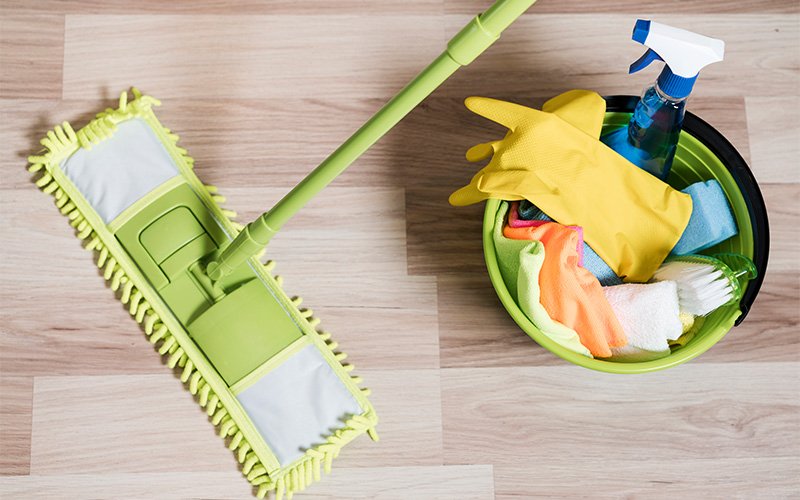
The best way to deep clean laminate floors starts with proper preparation. Loose particles should be removed first so that deeper cleaning can focus on residue and grime instead of spreading surface dirt around.
Removing Surface-Level Dirt
Use a soft broom, vacuum with a suitable floor attachment, or dry microfibre mop to clear dust and debris. Avoid rough brushes or abrasive pads, as they may scratch the surface while moving particles across the floor.
Why Preparation Influences Results
Without preparation, a mop may push dirt into corners, seams, or textured areas instead of lifting it away. This can create uneven cleaning results, especially in larger homes, rental units, offices, or post-renovation spaces.
Removing Residue Without Damaging the Surface Layer
Residue removal is an important part of laminate floor deep cleaning because it helps restore a clearer, more even appearance without relying on harsh scrubbing.
Why Residue Causes Dullness and Streaking
Cleaning product build-up can form a cloudy layer that disrupts the natural finish of laminate flooring. This layer may also attract dust, leaving the floor with streaks, patchy marks, or a slightly sticky feel.
Controlled Removal of Residue
A suitable laminate floor cleaning solution should be gentle, laminate-safe, and used sparingly with a damp, well-wrung microfibre mop. The aim is to lift the residue gradually without soaking the floor or leaving additional deposits behind.
Managing Moisture to Protect Laminate Flooring
The best way to deep clean laminate floors is not about using more water, but about managing moisture carefully. Laminate surfaces can tolerate light damp cleaning, but excess water may cause problems if it seeps into joints or edges.
Risks of Excess Moisture
Too much water can penetrate seams, leading to swelling, lifting along the edges, or long-term surface damage. In Singapore’s humid environment, floors may also take longer to dry, which makes moisture control even more important.
Importance of Low-Moisture Cleaning Approaches
Work in small sections and dry each area promptly after cleaning. A low-moisture method helps remove dirt while protecting the laminate’s structure, making it suitable for condos, landed homes, HDB flats, and commercial units.
Avoid steam mops, soaking-wet mops, and harsh chemical cleaners unless the flooring manufacturer specifically states they are safe for your laminate surface.
Addressing Edges, Seams, and Hard-to-Reach Areas
Edges, corners, and seams require more precise handling because they tend to collect dirt while being more sensitive to moisture exposure.
Why Edges and Seams Are More Vulnerable
These areas can trap dust, residue, and small particles that are not fully removed during regular mopping. If too much liquid is used, moisture may also enter the joints and increase the risk of swelling.
Controlled Cleaning of Detailed Areas
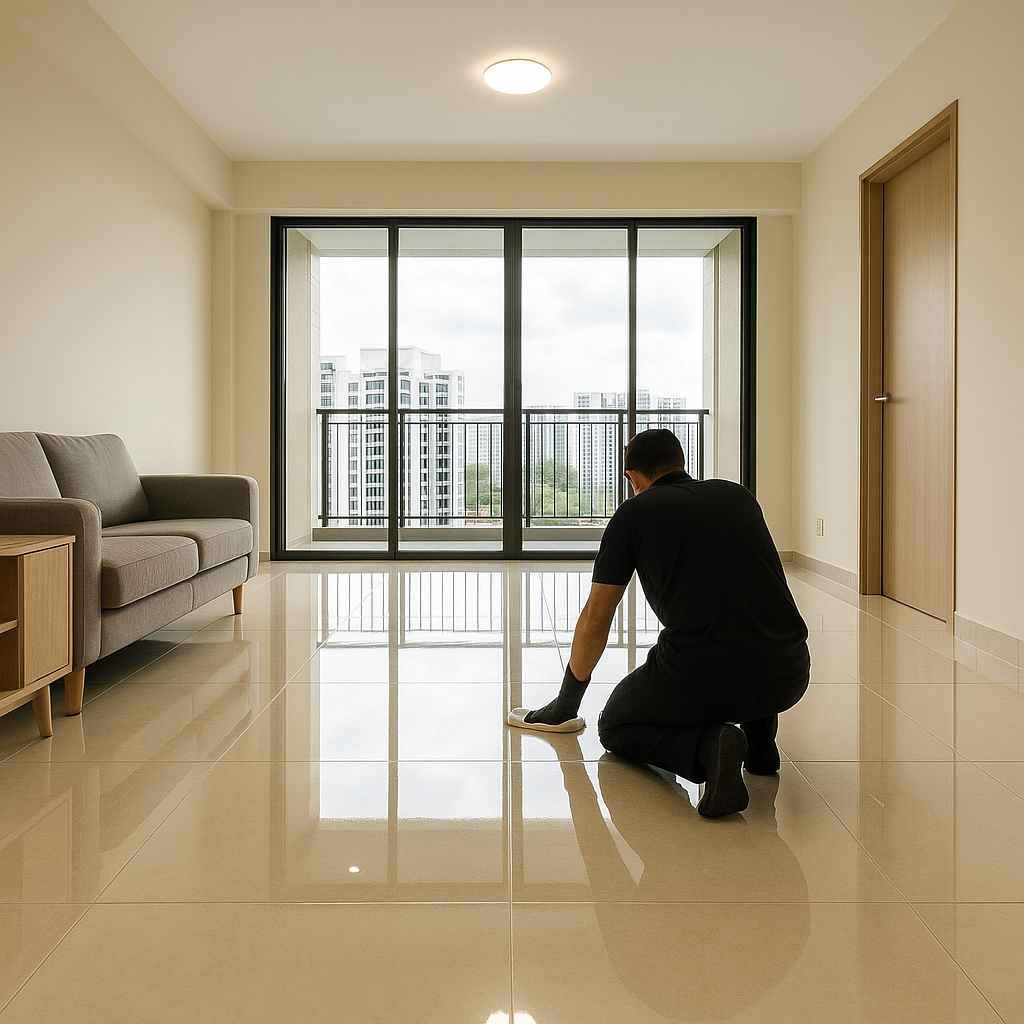
Use a lightly damp cloth to clean detailed areas instead of soaking them. This helps remove laminate floor residue from corners and seams while keeping water exposure as low as possible.
Ensuring a Consistent and Even Finish Across the Floor
The best way to deep clean laminate floors is to clean in a structured pattern so every section receives the same level of attention. This prevents some areas from looking brighter while others remain dull or streaky.
Causes of Uneven Cleaning Results
Uneven results often happen when cleaning solution is applied inconsistently, when dirty water is reused, or when some areas are over-mopped. These habits can leave patchiness across the surface.
Achieving a Balanced Outcome
Use clean mop pads, refresh water when needed, and move across the room in steady sections. For larger or heavily used spaces, floor scrubbing services may help achieve a more even finish when routine methods are no longer enough.
Maintaining Laminate Floors to Prevent Future Build-Up
After deep cleaning, ongoing maintenance helps slow down the return of residue, dust, and surface grime. Regular dry dusting, prompt spill removal, and laminate-safe cleaning products can help preserve the floor’s appearance.
Routine Practices That Support Floor Condition
Avoid soaking the floor during routine cleaning, and use only a small amount of suitable product when mopping. These habits reduce the likelihood of cloudy residue returning too quickly after cleaning.
Environmental Factors That Influence Floor Performance
Humidity, heavy foot traffic, previous cleaning habits, and renovation dust can all affect how quickly build-up returns. For homes, tenancy handovers, and offices, deep floor cleaning services can support safer, more consistent floor care when routine maintenance is no longer enough.
When Professional Cleaning Ensures Safer and More Effective Results
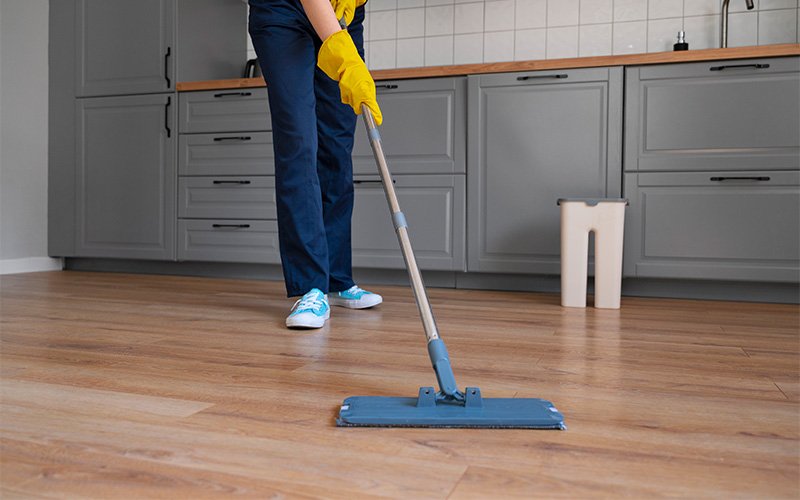
For laminate floors affected by persistent residue, ingrained dirt, or uneven dullness, a more controlled approach may be needed. This is especially relevant for move-in, move-out, post-renovation, or commercial spaces where floors need to look clean, even, and properly maintained.
A professional cleaning service can help manage the cleaning process, moisture levels, and detailed areas more carefully than general routine upkeep. This supports a cleaner finish while reducing the risk of using too much water or unsuitable cleaning products.
Conclusion
The best way to deep clean laminate floors is to combine careful preparation, controlled residue removal, low-moisture cleaning, and consistent maintenance. Laminate floors can remain clear and presentable when dirt is lifted without harsh scrubbing or excess water. By understanding where build-up forms and how to manage sensitive areas, Singapore homeowners, tenants, and commercial clients can better protect both the appearance and durability of their flooring.
If your laminate floors still look dull, streaky, or uneven after regular cleaning, speak with Doctor Clean for guidance on a suitable floor care approach. Our team can help care for the floors in your home, rental unit, or commercial space using careful moisture control and surface-safe cleaning methods.

 Doctor Clean