
Key Takeaways
- Ceramic tiles may look easy to maintain, but grease, dust, detergent film, and fine particles can gradually build up on the surface and within grout lines.
- Proper preparation, including removing loose dirt and debris first, helps deeper cleaning work more effectively and prevents dirt from spreading.
- Grout needs focused attention because it is more porous than tile surfaces and can trap moisture, stains, and embedded contaminants over time.
- Longer-lasting results depend on balanced moisture use, suitable cleaning products, consistent upkeep, and professional support when staining or residue becomes difficult to manage.
Introduction
Ceramic tile floors are practical, durable, and widely used across Singapore homes, rental units, offices, and commercial spaces. However, even well-maintained tiles can lose their clean appearance over time when grease, dust, detergent residue, and fine particles accumulate beyond what routine mopping can remove.
The best way to deep clean ceramic tile floors is to use a structured process that addresses both visible dirt and embedded build-up while protecting the tile surface and grout lines.
In Singapore’s humid climate, tiled floors may also be affected by moisture retention, heavy foot traffic, cooking residue, and renovation dust. These conditions can cause dullness, staining, and uneven grout discolouration if cleaning is not carried out properly. Deep cleaning should therefore focus on controlled cleaning intensity, suitable products, and careful moisture management to ensure that the result is cleaner, safer, and longer-lasting.
Understanding Where Build-Up Occurs in Ceramic Tile Floors
Before any deep cleaning begins, it is important to understand where dirt tends to settle. Ceramic tiles may look smooth and easy to clean, but residue can still collect across the surface, especially in kitchens, bathrooms, walkways, and commercial areas with frequent use. Grout lines are even more vulnerable because they sit slightly lower than the tile surface and can absorb more moisture and contaminants.
Surface Residue on Tile Finishes
Surface residue often forms gradually. It may come from detergent left behind after mopping, cooking grease, dust brought in from footwear, or general daily dirt. Over time, this thin layer can make the tiles look dull, streaky, or uneven. The floor may still feel clean after regular mopping, but the finish may no longer look clear or fresh.
Embedded Dirt Within Grout Lines
Grout is usually more porous than ceramic tile, which means it can trap moisture, grime, and fine particles more easily. Once dirt settles into grout lines, standard mopping may only clean the surface while leaving deeper staining behind. This is why grout often becomes darker or patchier before the tile surface itself looks heavily soiled.
Preparing the Surface for a Controlled Cleaning Process
Preparation helps ensure that the cleaning process targets embedded build-up instead of simply moving loose dirt around. Among the common ceramic tile floor cleaning methods, proper surface preparation is one of the most important steps, affecting how evenly the final result appears. Starting with a clear surface is the best way to deep clean ceramic tile floors to ensure targeted cleaning reaches the areas that need attention most.
Removing Loose Dirt and Debris
Loose debris should be swept, vacuumed, or otherwise removed before wet cleaning begins. Dust, sand, hair, and grit can interfere with cleaning solutions and may create a muddy residue when mixed with water. For post-renovation spaces, this step is especially important because fine construction dust can settle into tile edges and grout lines.
Why Preparation Affects Cleaning Outcomes
Without proper preparation, cleaning agents may react with surface dust instead of breaking down deeper residue. This can lead to patchy results, repeated cleaning, and unnecessary moisture use. A prepared surface allows the cleaning process to work more directly on grease, residue, and embedded contaminants.
Addressing Grout and Embedded Build-Up Effectively
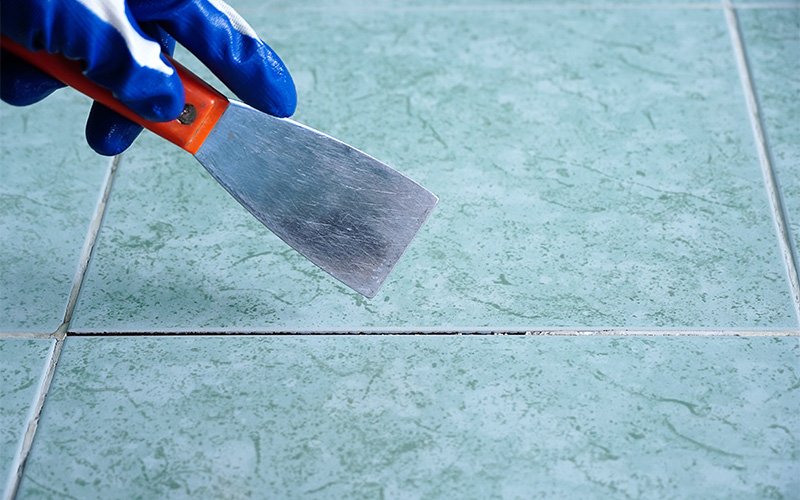
Grout usually requires more focused cleaning than the tile surface itself. Since it collects moisture and particles more easily, it often becomes the main reason a ceramic tile floor still looks unclean after routine maintenance. For the best way to deep clean ceramic tile floors, it is necessary to treat grout as a separate concern rather than assuming that one general cleaning pass will be enough.
Why Grout Requires Targeted Attention
Grout lines act as collection points for spills, soap residue, oils, and dirt from daily movement. In bathrooms, moisture and body care products may contribute to staining. In kitchens, oil and food residue can settle into the lines. In commercial spaces, constant foot traffic may push dirt deeper into the grout.
Controlled Removal of Embedded Contaminants
Effective cleaning should break down and lift dirt without over-saturating the grout. Suitable grout deep cleaning solutions can help loosen build-up, but they should be compatible with the surface and removed properly after use. Using products that are too harsh or leaving residue behind may cause further dullness, staining, or premature wear.
Removing Residual Film to Restore Surface Clarity
Beyond visible stains, residual film can affect how the whole floor looks. This film may not always be obvious up close, but it can make tiles appear cloudy, sticky, or uneven under natural or indoor lighting. Removing it helps restore the floor’s overall clarity and improves the appearance of the room.
How Residue Affects Tile Appearance
Residue can trap new dirt more quickly, which means the floor may look dull again shortly after cleaning. It can also create streaks when wet mopping is done with too much detergent or water that is not changed frequently enough. This is common in larger spaces where cleaning is done quickly but not thoroughly.
Restoring a Consistent Finish
A controlled deep clean should remove the film without leaving another layer behind. This requires suitable dilution, careful application, and proper rinsing or extraction where appropriate. When residue is removed evenly, ceramic tiles can regain a clearer, brighter, and more uniform finish.
Managing Moisture to Protect Tile and Grout Integrity
Moisture control is essential during deep cleaning, especially in Singapore, where humidity can slow drying. Too much water may not damage ceramic tiles directly, but it can affect grout lines and create uneven drying patterns. This is why careful application and removal matter.
Risks of Excess Moisture
Excess moisture can remain within grout lines, especially when ventilation is limited. The high humidity in Singapore can also exacerbate mould or mildew growth within damp grout lines, making proper drying essential for hygiene. This may contribute to uneven drying, lingering dampness, or long-term discolouration. In enclosed bathrooms, kitchens, and utility areas, water that is not removed properly may also leave marks or encourage residue to settle again.
Importance of Controlled Application
Balanced moisture allows dirt and residue to loosen without soaking the flooring unnecessarily. Cleaning should be thorough but measured, with enough attention given to drying conditions after the process. This helps protect the grout while supporting better hygiene and a more consistent finish.
Ensuring Even Results Across Tile and Grout Surfaces
Deep cleaning should not only focus on the most visible stains. Treating only selected areas may leave noticeable differences between cleaned and uncleaned sections. To execute the best way to deep clean ceramic tile floors and ensure a uniform result, it is vital to work systematically so that every section of the surface is cleaned with the same level of care.
Why Uneven Cleaning Occurs
Uneven cleaning often happens when heavily stained grout is scrubbed while nearby tile surfaces are left untreated. It can also happen when the cleaning solution is applied inconsistently across the floor. As a result, some areas may look brighter while others remain dull, making the floor appear patchy.
Achieving a Uniform Outcome
A uniform result comes from working in clear sections and maintaining consistent contact time, pressure, and moisture levels. This is especially useful for open-plan homes, handover cleaning, and office areas where the floor is viewed as one continuous surface.
Supporting Long-Term Results Through Proper Maintenance
Deep cleaning is most effective when followed by practical maintenance. Regular sweeping, prompt spill removal, and suitable cleaning products can reduce the rate at which new residue forms. Periodic floor deep cleaning can also help prevent grout discolouration and residue build-up from becoming harder to manage.
Managing Residue and Daily Contaminants
Daily contaminants should be removed before they settle deeply. Avoid using excessive detergent, as leftover product can create a sticky layer that attracts more dirt. For households with children, pets, or frequent cooking, more consistent upkeep may be needed to maintain a clean and comfortable surface.
Environmental Factors That Influence Floor Condition
Humidity, ventilation, foot traffic, renovation dust, and past cleaning habits all influence how quickly build-up returns. Rental homes, newly renovated units, and commercial premises may require more intensive cleaning because the floors often experience heavier use or accumulated residue from previous occupants.
When Professional Cleaning Ensures a More Controlled Outcome
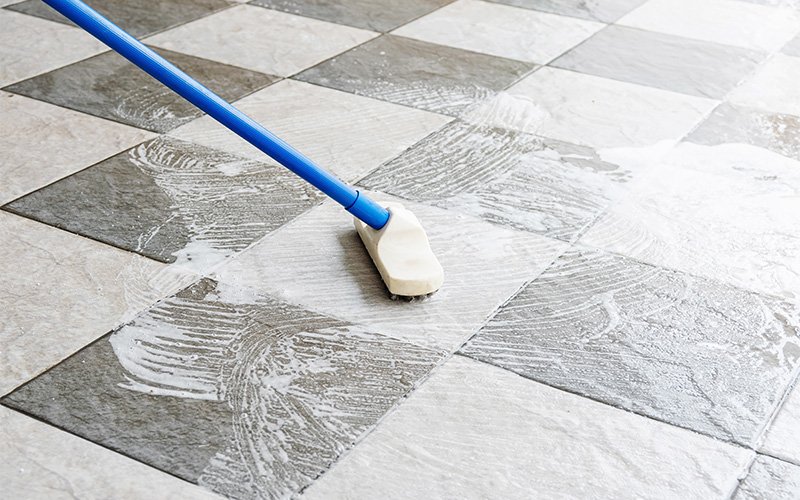
Professional cleaning may be helpful when ceramic tile floors have persistent residue, heavily stained grout, uneven discolouration, or post-renovation dust that routine cleaning cannot fully remove. A trained cleaning team can assess the floor condition, manage cleaning intensity, and apply the right process across both tile and grout surfaces.
For homeowners, tenants, landlords, and businesses considering deep floor cleaning services, professional support can provide a more consistent result while reducing the risk of over-wetting or using unsuitable products. Those looking for professional tile and grout cleaning services in Singapore may consider Doctor Clean, which provides residential and commercial cleaning services, including post-renovation, end-of-tenancy, deep cleaning, office cleaning, and disinfection services.
Conclusion
The best way to deep clean ceramic tile floors is to go beyond routine mopping and address the full cleaning process, from preparation and grout treatment to residue removal, moisture control, and long-term maintenance. When each stage is managed carefully, ceramic tile floors can look cleaner, feel fresher, and maintain a more even finish for longer.
If regular mopping no longer removes dullness, grout discolouration, or uneven residue from your ceramic tile floors, contact us for professional floor cleaning support. Our team can help restore tile and grout surfaces with a careful, structured approach suited to homes, rental units, and commercial spaces, while our home cleaning services in Singapore help keep everyday spaces cleaner and more comfortable.


 Doctor Clean