Introduction
A home can look tidy while still holding dust, food residue, and other contaminants below the surface. Sofas, mattresses, grout lines, and textured flooring collect material gradually, especially in spaces that are used every day. Routine wiping, vacuuming, and mopping remain essential, but each method has limits.
Steam cleaning uses heated water vapour to loosen grime and expose some microorganisms to heat. Its results depend on the machine, surface, temperature at the point of contact, contact time, and what happens after the dirt has been loosened. The effectiveness of steam cleaning therefore varies between a sealed tile floor, a fabric sofa, and an untreated timber surface.
This guide explains how the method works, where it can be useful in Singapore homes, and why careful application matters as much as the steam itself.
Key Takeaways
- The effectiveness of steam cleaning depends on suitable temperatures, contact time, surface compatibility, and thorough removal of loosened dirt.
- Heat and vapour can help with bonded grime, crevices, and selected fabric surfaces, although steam does not sterilise every material or replace regular cleaning.
- Professional assessment is valuable for delicate fabrics, timber, laminates, and other surfaces that may react poorly to heat or moisture.
Why Surface Cleanliness Does Not Always Reflect True Hygiene
Visible cleanliness tells only part of the story. A freshly mopped floor may still hold residue along edges or inside grout. A sofa can appear free of stains while dust remains within its fibres. Mattresses, curtains, and upholstered chairs also collect skin flakes, fine particles, and moisture from ordinary use.
Singapore’s warm, humid conditions can make moisture management particularly important. Damp bathrooms, poorly ventilated rooms, and fabrics that dry slowly may develop musty odours or visible mould. Steam should not be used to conceal an unresolved leak or persistent dampness. Moisture sources need to be identified and corrected before any cleaning method can deliver lasting results.
The effectiveness of steam cleaning becomes most relevant when contamination is bonded to a surface, lodged in a textured area, or difficult to reach with a cloth. It can support deeper cleaning, but the operator still needs to vacuum loose debris beforehand and collect loosened residue afterwards.
Understanding the Effectiveness of Steam Cleaning in Modern Homes
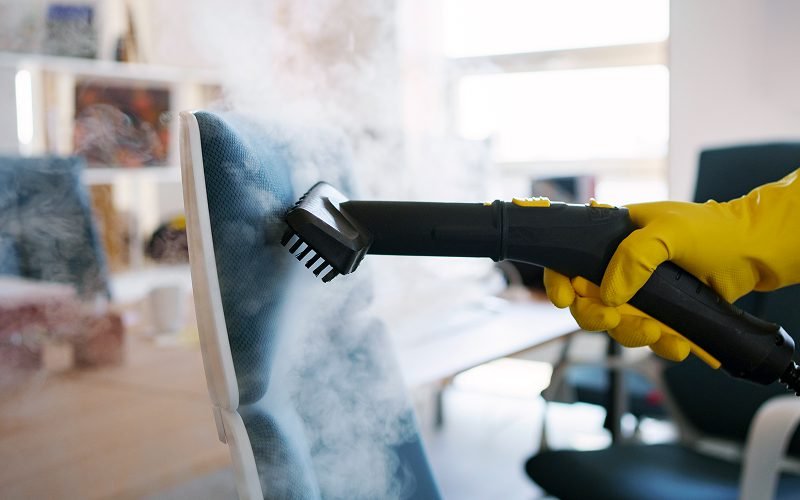
Steam cleaners heat water and release vapour through a nozzle, brush, or fabric attachment. The vapour transfers heat to the treated area and introduces a controlled amount of moisture. Results vary considerably because the temperature inside the boiler is not necessarily the temperature that reaches the surface.
What Defines the Effectiveness of Steam Cleaning in Residential Cleaning
Several practical factors determine the effectiveness of steam cleaning:
- Temperature at the treated surface
- Contact time
- Distance between the nozzle and material
- Steam pressure and vapour output
- Type and thickness of the material
- Amount of existing soil
- Pre-vacuuming and post-treatment extraction
- Drying time and ventilation
A quick pass may soften surface grime without exposing microorganisms to heat for long enough to reduce them meaningfully. Heavy soil can also insulate the material beneath it. For this reason, a bacteria removal process based on steam needs more than a high boiler-temperature claim. The application method must deliver adequate heat to the target area without damaging it.
High temperature cleaning can be useful on suitable sealed surfaces, but it should not be described as universal sterilisation. The outcome is influenced by how evenly the area is treated, how quickly it cools, and whether hidden layers receive the same exposure as the surface.
How Steam Cleaning Addresses Hidden Bacteria and Deep-Seated Dirt
Steam can contribute to cleaning through several mechanisms. These mechanisms often work together, although each has its own limits.
Heat Exposure and Microbial Reduction
Sustained heat can reduce viable microorganisms on surfaces when the required temperature reaches them for an adequate period. Controlled carpet testing has also found that steam treatment can reduce live dust mites and allergen concentrations under specific conditions. The effectiveness of steam cleaning is therefore stronger on accessible, heat-tolerant areas than on thick materials where heat distribution is uneven.
The wording matters. A household steam cleaner does not automatically disinfect every surface it touches. Different organisms respond differently to temperature, and field conditions are less controlled than laboratory tests. Steam should be treated as one part of a hygiene plan that also includes physical soil removal, hand hygiene, ventilation, and prompt attention to spills.
Penetration into Fibres, Joints and Textured Surfaces
Fine vapour can enter shallow gaps, grout lines, and some fabric fibres more readily than a cloth. This deep surface penetration helps soften residue in areas that are difficult to scrub evenly.
Steam does not pull dirt out by itself. Loosened material still needs to be wiped, vacuumed, or extracted. On upholstery and carpets, a combined process may therefore perform better than steaming alone. Research on carpets has found meaningful reductions in dust and house-dust-mite allergens when dry steam was paired with repeated HEPA vacuuming.
Breakdown of Grease, Oils and Bonded Soil
Heat can soften grease and weaken the bond between grime and a hard surface. This is useful around sealed kitchen tiles, splashbacks, and selected fixtures. Embedded dirt removal becomes easier because less force may be needed once the residue has softened.
The effectiveness of steam cleaning may be limited where thick grease layers require a suitable degreasing product first. It is also unsuitable for electrical controls, unsealed joints, and areas where water vapour could enter equipment.
Reduced Reliance on Cleaning Chemicals
Steam is often presented as a non-chemical cleaning method because water is its main input. In practice, pre-treatment products may still be needed for stains, oils, or particular soils. The more accurate advantage is that steam can reduce the amount of cleaning product required on some suitable surfaces.
Using less product may also reduce residue, provided loosened dirt is removed properly. It does not mean every treated surface becomes safer automatically. Material instructions, chemical labels, and dwell times still apply whenever a cleaning agent is used.
Dust Mites and Allergen Load
Steam can support allergen control when it is paired with thorough soil removal. In household carpet testing, dry steam paired with repeated HEPA vacuuming reduced dust and house-dust-mite allergen levels, although vacuuming accounted for much of the improvement. This reinforces the need to treat steam as one step in a wider cleaning process rather than a stand-alone solution.
These findings support careful use rather than sweeping claims. The effectiveness of steam cleaning for allergens depends on the material, treatment method, and follow-up removal. People with asthma or allergies should continue following medical advice and established environmental controls.
Why Steam Cleaning Is Relevant to Singapore Homes
Humidity, compact layouts, and frequent air-conditioning shape how homes accumulate and retain dirt. Steam can be useful, but extra moisture also needs to dry promptly.
Humidity and Moisture Retention
Bathrooms, kitchens, and enclosed service yards may remain damp after use. The effectiveness of steam cleaning in these areas depends on ventilation and drying. Leaving a surface wet can undermine the intended result and may contribute to odours or material damage.
Steam is not a mould-remediation shortcut. Visible mould that returns repeatedly may indicate leaks, condensation, or inadequate ventilation. Large or persistent growth requires assessment of the moisture source and an appropriate remediation plan.
Frequent Use of Shared Surfaces
Sofas, dining chairs, mattresses, and floors can receive concentrated use in smaller homes. Body oils, crumbs, fine dust, and pet debris may settle into fabrics and textured finishes. Periodic steam sofa cleaning can be considered for compatible upholstery after checking the fabric code and manufacturer’s instructions.
Urban Dust and Indoor Particles
Particles enter through windows, footwear, deliveries, and normal household activity. Vacuuming remains the main way to remove loose dust from carpets and fabrics. Steam cleaning is more effective when the surface is vacuumed first, allowing heat and moisture to reach bonded soil rather than a loose layer of debris.
Expectations for Home Comfort
Residents often seek a fresher feel after tenancy changes, renovation work, or long periods of heavy use. Steam can support this goal when applied selectively. Cleaning after renovation, for example, usually requires thorough dry dust removal before any damp or steam-based method is introduced.
Applying Steam Cleaning Effectively in Real Homes
The method delivers the clearest value when matched to the material and the problem being treated. More heat or pressure is not automatically better.
Soft Furnishings and Bedding
Sofas, fabric chairs, and some mattresses may benefit from steam, vacuum extraction, or a combination of both. The fabric must tolerate heat and moisture, and drying time needs to be controlled. Colourfastness, backing materials, adhesives, and cushion fillings can affect the outcome.
Curtain steam cleaning may be suitable for certain fabrics, but delicate fibres, linings, and pleats can react unpredictably. Care labels and spot tests should guide the method. Removing curtains for another cleaning process may be safer in some cases.
Bathrooms and Kitchens
Sealed tiles, grout, and selected fixtures can respond well to steam because heat helps loosen soap residue and grease. The nozzle should not be directed into electrical fittings, silicone gaps, damaged grout, or unsealed edges.
The effectiveness of steam cleaning is often most noticeable where residue has built up gradually. After steaming, the softened grime should be wiped away with a clean cloth rather than spread across the area.
Floors and Hard-to-Reach Areas
Floor deep cleaning may include steam on compatible sealed surfaces, but not every floor can tolerate it. Unsealed wood, waxed finishes, some laminates, and adhesive-backed materials may swell, warp, or delaminate when exposed to heat and moisture.
Corners, joints, and textured surfaces can benefit from targeted attachments. A controlled pass is preferable to saturating the area. Surface temperature and drying should be monitored throughout.
Post-Renovation and Tenancy Cleaning
Fine renovation dust settles on ledges, inside cabinets, and around fixtures. Dry removal should come first because adding moisture too early can turn fine dust into paste. Steam cleaning is more effective later in the process, when compatible surfaces need detailed attention after loose particles have been removed.
For tenancy cleaning, steam may be used selectively on kitchens, bathrooms, upholstery, or floors, depending on the property’s condition and materials. It should complement, rather than dictate, the entire scope.
Why Professional Steam Cleaning Can Produce More Reliable Outcomes
Domestic machines can be useful for small, straightforward tasks. Larger or more sensitive jobs require closer control over temperature, attachments, moisture, and drying.
Equipment and Controlled Application
Professional equipment may provide more stable output and a wider range of tools, but equipment alone does not guarantee a better result. The effectiveness of steam cleaning still depends on technique, preparation, and sufficient coverage.
A professional cleaning service should explain whether the job uses steam vapour, hot-water extraction, vacuum extraction, or another method. These processes are sometimes described loosely, yet they produce different amounts of moisture and suit different materials.
Material Assessment and Surface Protection
A suitable assessment considers fabric codes, flooring finishes, sealants, adhesives, age, and prior damage. Test patches help identify colour transfer, texture changes, or moisture sensitivity before full treatment begins.
The effectiveness of steam cleaning falls sharply when the method damages the item being cleaned. Untreated timber, delicate fabrics, painted surfaces, and electronics require particular caution.
Structured Coverage and Soil Removal
A clear sequence usually includes inspection, dry soil removal, spot treatment where appropriate, controlled steaming, extraction or wiping, and drying. This structure supports embedded dirt removal while reducing the chance that loosened grime is left behind.
Doctor Clean can assess whether steam, extraction, scrubbing, or another method better suits the surface. This keeps the service centred on the condition of the home rather than using one machine for every cleaning problem.
How a Structured Cleaning Approach Supports Longer-Lasting Results
Steam works best as part of a wider plan rather than an occasional response to visible dirt.
Assess the Home and Prioritise Suitable Areas
Start with the rooms, surfaces, and concerns that matter most. High-use upholstery, greasy kitchen finishes, and bathroom grout may need different methods. The effectiveness of steam cleaning improves when each task has a defined purpose and unsuitable areas are excluded.
Combine Complementary Methods
Vacuuming removes loose dust. Extraction removes moisture and suspended soil from fabrics. Scrubbing provides mechanical action on durable hard surfaces. Steam supplies heat and vapour. Combining these methods thoughtfully produces more complete results than relying on steam alone.
Plan Drying and Ventilation
Windows, fans, and air-conditioning settings may need to be managed so treated areas dry promptly. Upholstery should not be used until it is sufficiently dry. Damp cushions or carpets can develop odours and may suffer water marks or backing damage.
Set Clear Expectations
A quotation should identify the areas included, proposed method, likely drying time, and any limitations. Stains that have altered a fibre or finish may not disappear completely. The effectiveness of steam cleaning should be judged by appropriate soil removal and safe treatment, not a promise that every mark will vanish.
Questions You Might Ask
Is steam cleaning suitable for every surface in a home?
No. Sealed tiles, grout, and some synthetic fabrics may tolerate steam, while untreated timber, waxed floors, delicate textiles, electronics, and moisture-sensitive laminates may not. Manufacturer instructions and a test patch should be checked before treatment. A professional assessment is useful when the material, finish, or adhesive is uncertain.
How often should steam cleaning be carried out in Singapore homes?
There is no fixed schedule for every household. Frequency depends on occupancy, pets, fabric use, moisture, ventilation, and how quickly dirt returns. The effectiveness of steam cleaning also depends on the condition and compatibility of the material being treated. Routine vacuuming and wiping should continue between deeper treatments. Steam cleaning may be arranged periodically for suitable high-use areas rather than applied to the entire home on a rigid timetable.
Does steam cleaning replace regular cleaning?
No. Loose dust, crumbs, and hair should usually be vacuumed or swept away before steam is used. Routine cleaning controls everyday soil, while steam can help loosen bonded residue and treat selected crevices or fabrics. The effectiveness of steam cleaning is generally strongest when preparation and follow-up removal are included.
Can steam cleaning remove mould permanently?
Steam may reduce surface contamination on compatible materials, but it cannot fix the moisture problem that allowed mould to grow. Recurring mould requires investigation of leaks, condensation, and ventilation. Porous materials with extensive growth may need removal or specialist remediation rather than repeated steaming.
Can steam cleaning improve indoor comfort?
Removing grime, dust, and odour-causing residue from suitable surfaces can make a room feel fresher. Results vary according to the source of the odour and the material treated. Persistent smells may come from moisture, smoke, pets, or contamination below the surface, so the cause should be identified before selecting a cleaning method.
Conclusion
The effectiveness of steam cleaning comes from controlled heat, appropriate moisture, and thorough soil removal. It can loosen grease, reach shallow crevices, and support the treatment of selected fabrics and sealed surfaces. Its limitations are equally important: steam does not suit every material, does not guarantee sterilisation, and cannot correct underlying dampness.
Doctor Clean provides steam cleaning and other deep-cleaning services for upholstery, curtains, floors, kitchens, bathrooms, and post-renovation spaces. Our team can recommend an appropriate method based on the surface and level of soiling, helping homeowners address embedded dirt without applying steam where heat or moisture may cause damage.
Please contact us to discuss a suitable cleaning plan for your home and receive a site-specific quotation.
 Doctor Clean