

Key Takeaways
- Always check the sofa’s care label and material type before applying any cleaning solution.
- Vacuum the sofa first to remove dust, crumbs, and loose debris before treating stains.
- Avoid over-wetting, harsh scrubbing, and untested products, as these can affect colour, texture, and drying results.
- Professional support may be safer when stains, odours, or embedded dirt cannot be handled through basic home care.
Introduction
Fabric sofas are a common feature in many Singapore homes, offices, and rental units because they are comfortable, versatile, and easy to style. However, they can also trap dust, body oils, food crumbs, pet dander, and airborne particles over time. In Singapore’s humid climate, this build-up may settle within the upholstery layers, affecting both appearance and hygiene. Understanding how to clean a fabric sofa safely is important because the wrong method can leave water marks, weaken fibres, or cause colour changes.
Step 1: Check the Sofa’s Cleaning Code and Fabric Type
Before applying any cleaner, take a few minutes to understand what your sofa material can safely handle. This step helps prevent avoidable damage, especially for sofas with delicate upholstery, darker dyes, textured fabric, or absorbent fibres.
Understanding Upholstery Cleaning Codes
The manufacturer’s care label will usually indicate the safest cleaning method. “W” means water-based cleaning solutions may be used, “S” means solvent-based cleaning only, “WS” allows both water- and solvent-based cleaners, while “X” means vacuum only, with no liquids applied. Checking this code first gives you a safer starting point before any cleaning begins.
Why Fabric Type Matters
Different fabrics respond differently to cleaning. Polyester blends are generally more durable, while cotton is more absorbent and may retain moisture for longer. Textured fabrics can also trap dust more easily in the weave, making vacuuming and gentle handling especially important. A safe fabric sofa cleaning process should always consider both the care code and fabric type before using any moisture or cleaning product.
Step 2: Remove Loose Dirt and Surface Debris
Once you know what the sofa can tolerate, begin with dry removal before introducing any moisture. This helps lift loose particles that may otherwise spread, smear, or settle more firmly into the upholstery during the next steps.
Vacuuming the Sofa Thoroughly
Use a vacuum cleaner with an upholstery attachment to remove loose dirt from the sofa surface. Focus on seams, crevices, cushion edges, and areas under removable cushions, as these spots often collect dust and crumbs. Move slowly across the fabric instead of pressing too hard, especially on textured or delicate upholstery.
Why This Step Is Important
Vacuuming before wet cleaning prevents dirt from being pushed further into the material. If you skip this step, dust and grit may mix with moisture and create dull patches or streaks. This simple step is important when learning how to clean a fabric sofa, as it helps prevent the fabric from looking more worn after cleaning.
Step 3: Spot Clean Stains Carefully
Stains should be handled carefully because fabric fibres can react differently to liquid, pressure, and cleaning agents. Treating stains gently also helps reduce the risk of spreading the mark or damaging the surrounding fabric.
Test Before Applying Any Solution
Always test your cleaning solution on a hidden part of the sofa before applying it to a visible stain. Wait for the area to dry and check for colour bleeding, fading, stiffness, or texture changes. This step is especially important for darker fabrics, patterned upholstery, or sofas that have not been cleaned before.
Common Stain Types and General Approach
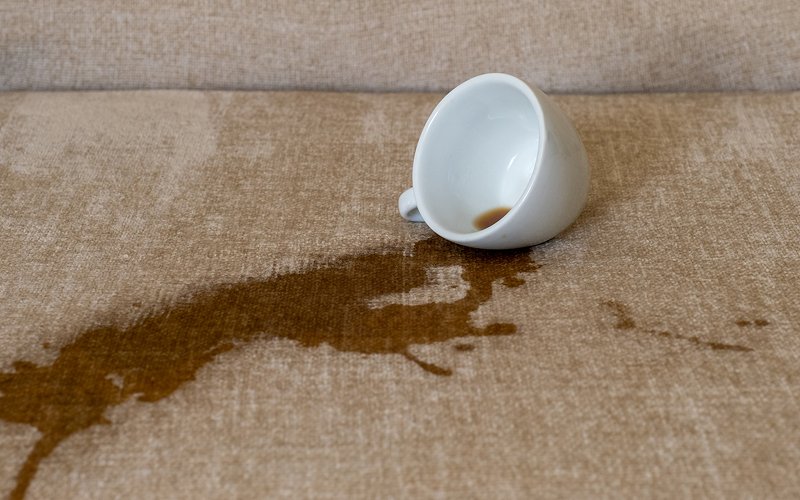
For liquid spills, blot immediately with a clean, absorbent cloth. Avoid rubbing, as this can push the stain further into the fibres. Oil-based stains may require a suitable cleaning agent based on the sofa’s care code, while light stains may respond to a mild cleaning solution. Proper upholstery care for fabric sofas means treating stains patiently instead of using harsh products that may damage the material.
Avoiding Common Mistakes
Do not scrub aggressively, pour cleaning solution directly onto the sofa, or use random household products without checking suitability. Excessive moisture can leave water marks, while strong chemicals may affect colour or texture. Avoid bleach, overly strong detergents, and excessive vinegar mixtures unless the sofa’s care instructions clearly allow them. If the stain does not improve after gentle treatment, repeated scrubbing is unlikely to help and may make the fabric look patchy.
Step 4: Clean the Entire Surface Evenly
After individual stains have been treated, the rest of the sofa should be cleaned in a balanced way. This prevents one section from looking noticeably cleaner, darker, or more textured than the surrounding fabric once it dries.
Using a Suitable Cleaning Method
Clean the wider surface lightly and evenly according to the sofa’s cleaning code. Apply a suitable amount of cleaning solution onto a cloth or soft brush rather than soaking the fabric directly. Work in small sections and use gentle, consistent movements to avoid disturbing the weave.
Why Even Cleaning Matters
Cleaning only one area can leave the sofa looking uneven once it dries. A lightly cleaned, consistent surface helps prevent patchiness and maintains a more uniform texture across the upholstery. This is why, when learning how to clean a fabric sofa, it is important to use a methodical, controlled approach instead of treating one visible mark in isolation.
Step 5: Manage Moisture and Drying Properly
Moisture control is one of the most important parts of sofa cleaning in Singapore. Because humid conditions can slow drying, the sofa should never be over-saturated, and drying should be managed carefully from the start.
When fabric remains damp for too long, it can affect freshness, create uneven drying marks, and make the sofa less comfortable to use.
Risks of Excess Moisture in Fabric Sofas
Too much moisture can cause water marks, uneven drying, odour development, or prolonged dampness within cushion layers. This is especially risky for thicker cushions and absorbent fabrics. For heavily used sofas, professional sofa deep cleaning support in Singapore may be safer when a more controlled clean is needed, especially when moisture control is difficult to manage with basic home cleaning methods.
How to Support Faster Drying
Keep the room well ventilated after cleaning. Use fans or air-conditioning to support drying, and avoid using the sofa until it is fully dry. Cushions should be positioned to allow airflow where possible. Good drying habits reduce the chance of lingering smells and help preserve the sofa’s condition after cleaning.
Common Mistakes to Avoid When Cleaning a Fabric Sofa
Even small cleaning mistakes can affect the sofa’s texture, colour, or drying outcome. Being aware of these mistakes helps you clean more safely and avoid turning a manageable stain into a larger fabric issue.
Using too much water, skipping patch testing, scrubbing aggressively, ignoring manufacturer cleaning codes, and leaving the sofa damp for too long are common mistakes. These issues can affect the fabric’s appearance and may also make stains harder to manage. When considering how to clean a fabric sofa, focus on control, patience, and the right cleaning method for the material.
How Often Should You Clean a Fabric Sofa?
Cleaning frequency depends on how often the sofa is used, who uses it, and the environment it is placed in. In Singapore homes, regular maintenance is especially useful because dust, humidity, and daily use can gradually affect fabric freshness.
Routine Maintenance
For regular upkeep, vacuum your sofa at least once a week, especially if it is used daily. Spills should be handled immediately before they settle into the fibres. This type of routine care is useful for homeowners, tenants, landlords, and office managers who want to maintain a cleaner and more presentable space between deeper cleaning sessions.
Deeper Cleaning Frequency
More thorough cleaning depends on sofa usage, fabric type, indoor conditions, and exposure to dust. Homes with children, pets, frequent guests, or recent renovation works may require more frequent care. For broader household upkeep, pairing sofa maintenance with home cleaning services in Singapore can help maintain comfort and hygiene across the living space.
When DIY Cleaning May Not Be Enough
DIY methods can help with light surface dirt and minor spills, but they may not fully address embedded dust, odours, or stains that have settled within the fabric layers. This is when a more controlled cleaning approach may be needed.
Signs Professional Cleaning Is Needed
DIY cleaning may not be enough when stains remain after gentle treatment, dirt has affected the sofa’s texture, odours do not go away, or the upholstery is delicate. These signs suggest that dirt or residue may be sitting within the fabric rather than only on the surface.
Why Professional Cleaning Is Safer in Certain Cases
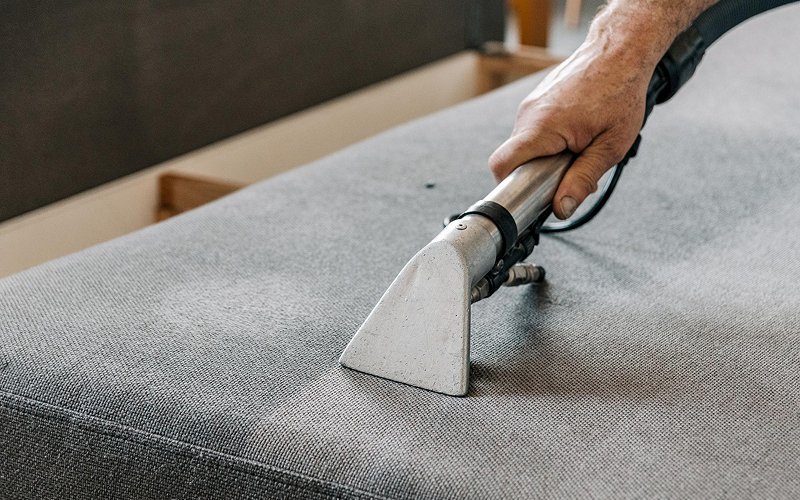
Professional cleaning may be more suitable for certain fabric sofas because it allows better control over moisture, cleaning solutions, and equipment. This can be especially helpful for sofas affected by post-renovation dust, tenancy handover needs, frequent use, or persistent odours.
Doctor Clean provides upholstery cleaning for sofas and mattresses as part of its residential and commercial cleaning services, including post-renovation, move-in, move-out, housekeeping, and deep cleaning support. This supports safer, more controlled deep cleaning for fabric upholstery when a sofa requires more than basic surface care.
Conclusion
Understanding how to clean a fabric sofa effectively requires the right balance between proper technique and careful material handling. Regular vacuuming, prompt stain treatment, even surface cleaning, and proper drying can help preserve its appearance, comfort, and lifespan. However, when stains, odours, or heavier build-up remain difficult to manage, it may be better to seek professional support rather than risk damaging the fabric.
For a cleaner, fresher sofa without the risk of trial-and-error cleaning, contact Doctor Clean to arrange a suitable upholstery cleaning service for your home, rental unit, or commercial space in Singapore. Doctor Clean’s deep cleaning services in Singapore can help manage heavier build-up while reducing the risk of avoidable fabric damage.

 Doctor Clean