
Key Takeaways
- Renovation-related odours often come from new carpentry, laminates, adhesives, coatings, and finishes, especially in enclosed Singapore homes.
- Consistent airflow helps dilute trapped indoor pollutants, while air purifiers and adsorption materials can support more active odour reduction.
- Warm and humid conditions can make chemical odours more noticeable, so managing temperature and moisture levels is important after renovation.
- Areas such as wardrobes, cabinets, storage units, and newly fitted rooms need closer attention because they may trap odours more easily than open spaces.
Introduction
After a renovation, it is common for Singapore homeowners to notice a sharp chemical odour that does not fade as quickly as expected. This smell often comes from formaldehyde, a common volatile organic compound (VOC), released by newly installed carpentry, laminates, adhesives, coatings, and finishes. In warm and humid indoor spaces, especially when windows are kept closed for air-conditioning, these emissions can feel more noticeable and linger for longer.
To remove formaldehyde smell properly, the goal is not to cover the odour with fragrance, but to reduce the concentration of pollutants in the home through a structured and consistent approach before the space is used heavily each day.
1. Increasing Ventilation To Actively Reduce Indoor Formaldehyde Concentration
Good ventilation is one of the most practical first steps because it helps dilute formaldehyde gases that build up indoors. Open windows on opposite sides of the home where possible, use fans to guide stale air out, and leave cabinet doors, wardrobes, and drawers open during the airing process.
This is especially useful in the first few weeks after renovation, when emission levels are usually higher. While ventilation alone may not fully remove formaldehyde smell, it helps prevent the odour from becoming trapped in bedrooms, kitchens, storage areas, and other enclosed parts of the home.
2. Using Air Treatment Methods To Reduce Airborne Formaldehyde And Chemical Odours
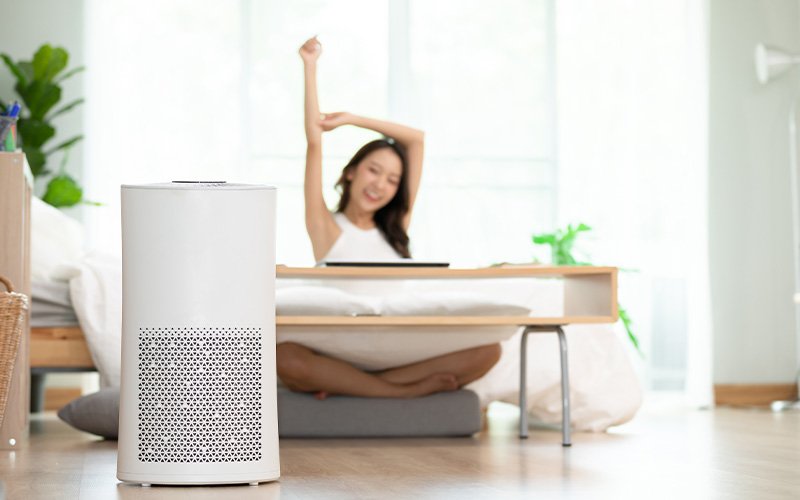
Air treatment methods can support better indoor air quality in newly renovated homes, especially when natural airflow is limited by layout, weather, or building restrictions. These methods complement ventilation by continuously filtering or capturing pollutants in indoor air, especially in rooms where odours remain concentrated despite regular airing.
Formaldehyde removal after renovation requires consistency because newly installed materials may continue releasing emissions gradually over time.
Air Filtration And Purification For Formaldehyde Reduction
Air purifiers with activated carbon filters or formaldehyde-targeting filtration media can help reduce airborne chemical compounds when used correctly. They work best when placed in enclosed or frequently used areas such as bedrooms, living rooms, home offices, or newly fitted study spaces. However, homeowners should check product specifications carefully, as not every air purifier is designed to handle formaldehyde gases. Regular filter replacement is also important, as saturated filters may become less effective over time.
Adsorption-Based Methods For Lingering Chemical Odours
Adsorption-based methods use materials that help capture chemical compounds from the air rather than simply masking the smell. Activated carbon is a common example, and it may be placed near wardrobes, cabinets, shelves, or other areas where odours are more concentrated. These methods may not fully remove formaldehyde smell on their own, but they can support a more controlled reduction process when used together with ventilation and humidity management.
3. Managing Temperature And Humidity To Stabilise Formaldehyde Emission Levels
Singapore’s climate can influence how strongly renovation odours are experienced indoors. Warmer temperatures and higher humidity may increase the release of formaldehyde from certain materials, making the smell more noticeable.
Keeping rooms cool, dry, and well-aired helps stabilise indoor conditions and reduce sudden increases in odour concentration. Dehumidifiers, air-conditioning used with periodic ventilation, and moisture control in enclosed rooms can all help. This does not instantly remove formaldehyde smell, but it supports a steadier and more manageable reduction process across the home.
4. Targeting High-Emission Materials And Enclosed Areas For More Effective Reduction
Some areas release and retain more odour than others. Built-in wardrobes, kitchen cabinets, TV consoles, storage platforms, and study desks may hold the chemical smell from new furniture and carpentry, especially when composite wood, laminates, or adhesive-heavy finishes are involved.
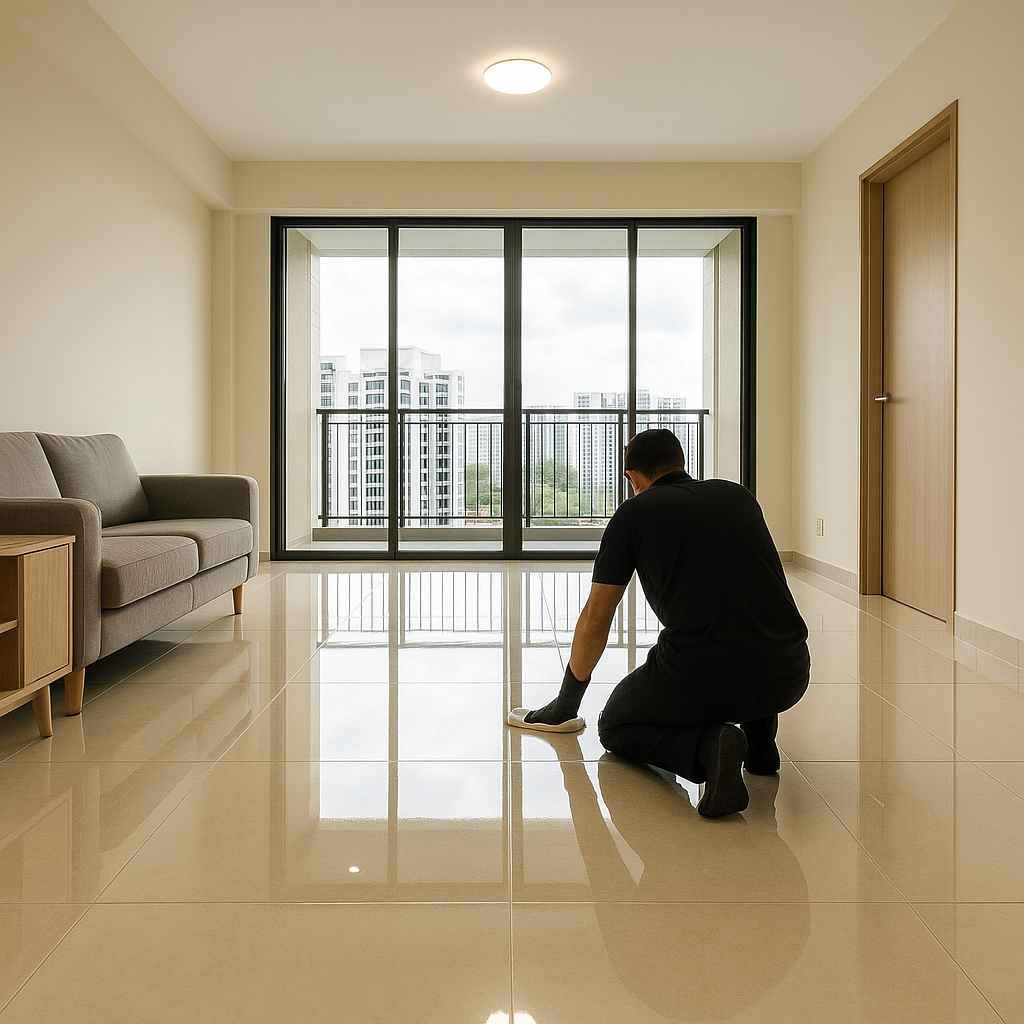
Instead of treating the whole home in the same way, focus on these high-emission zones. Keep doors and drawers open, wipe surfaces with suitable cleaning methods, and avoid sealing up rooms too early. This makes post–renovation house cleaning more thorough because it addresses the enclosed areas that are most likely to retain emissions after renovation work is completed.
5. Considering Professional Formaldehyde Removal For Measurable And Reliable Results
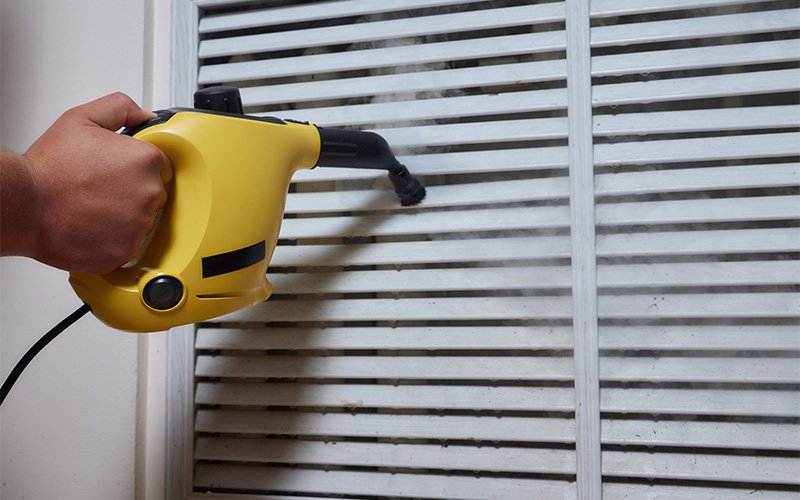
If the smell remains strong despite ventilation, air treatment, and humidity control, professional support may provide a more controlled way to address problem areas. A trained team can assess enclosed zones, treat emission-prone surfaces, and apply methods designed to reduce formaldehyde more directly. This can be especially useful for families with young children, elderly household members, pets, or anyone sensitive to strong odours.
Doctor Clean supports residential and commercial clients with specialised post-renovation cleaning services, including optional formaldehyde-related add-ons. For homeowners comparing formaldehyde removal options in Singapore, the value lies in choosing a controlled process executed by a trained expert team that improves comfort without relying on guesswork.
Conclusion
A renovated home should feel clean, comfortable, and ready to live in, not unsettled by a stubborn chemical smell. To remove formaldehyde smell effectively, homeowners should combine ventilation, air treatment, humidity control, and targeted attention to high-emission materials.
For persistent odours that linger after airing and basic cleaning, Doctor Clean provides a structured approach to deep cleaning after renovation, including optional targeted formaldehyde treatment.
Speak with us today to ensure your home can feel cleaner, fresher, and more comfortable before you fully settle in.

 Doctor Clean