Key Takeaways
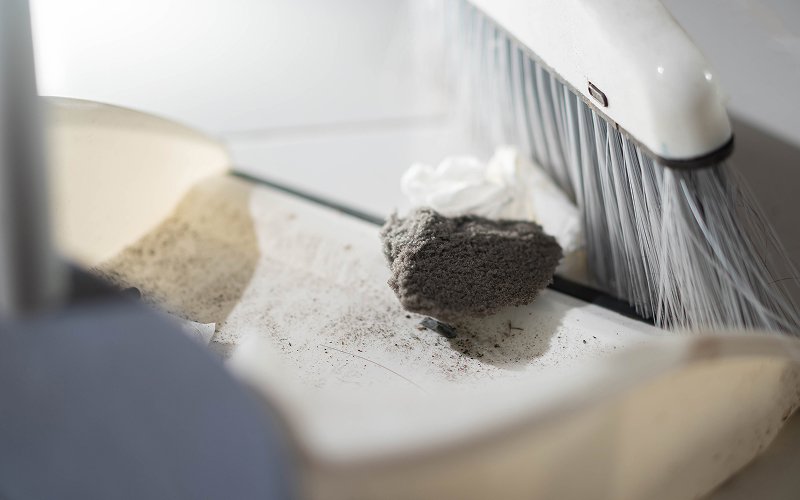
- Renovation dust can remain in places that look clean, including cabinet interiors, wall edges, ceiling corners, window tracks, and flooring joints.
- Soft furnishings, air-conditioning points, switches, and fittings should be checked, as fine particles may settle on or inside these areas during renovation work.
- Cleaning hidden corners before furniture and belongings are moved in helps prevent dust from becoming harder to reach later.
- Hidden residue can continue affecting the home after move-in, especially when dust is disturbed by airflow, movement, or daily use.
Introduction
After renovation work, most homeowners focus first on what they can see. Dust on the floor, leftover packaging, paint marks, and visible debris are usually cleared before furniture and belongings are moved in. However, knowing how to clean after renovation also means checking the less obvious areas where fine construction dust, paint residue, and small particles can settle quietly.
In Singapore homes, this matters because built-in carpentry, air-conditioning, compact rooms, and enclosed storage areas can trap dust long after the main works are completed. A surface may look clean at first glance, but still hold residue from drilling, sanding, tiling, painting, or carpentry installation. These overlooked areas in post-renovation cleaning can affect indoor comfort, surface cleanliness, and the ease of maintaining the home after move-in.
Fine Dust Hidden Inside Carpentry, Cabinets, and Built-In Fixtures
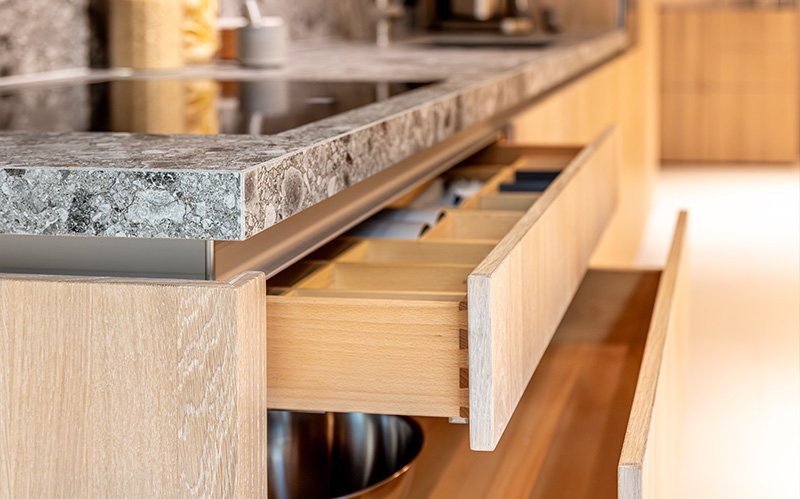
Built-in carpentry is one of the most common areas where renovation dust remains after handover. Wardrobes, kitchen cabinets, vanity units, shelves, and TV consoles may look polished from the outside, but their interiors can still hold fine particles from cutting, drilling, and installation works. These particles often settle along shelf corners, drawer tracks, hinges, and inner panels.
A proper approach to how to clean after renovation should include these enclosed spaces before clothes, cookware, toiletries, or personal items are stored inside. Otherwise, dust can transfer onto belongings and be released each time a cabinet door or drawer is opened. Cleaning these internal compartments early helps ensure the renovated home is ready for practical daily use, not just visually tidy.
Residue on Walls, Ceilings, and Painted Surfaces That Appear Clean
Walls and ceilings are easy to overlook after renovation works, especially when they appear clean at first glance. However, large painted surfaces can still hold fine plaster dust, paint particles, and other renovation residue that only becomes visible under natural light, when air starts circulating, or when dust settles again shortly after cleaning.
Because these surfaces cover a large part of the indoor space, they should be checked carefully during post-renovation cleaning. Ceiling corners, wall edges, ledges, and areas around newly installed fittings are common spots where fine dust can collect. Therefore, cleaning should always be done from higher areas downwards, so loosened particles do not resettle on floors, counters, or furniture.
Freshly painted surfaces also require a gentler approach. Using suitable tools, light pressure, and controlled moisture helps remove residue without leaving wipe marks, streaks, or damage on the finish.
Dust and Debris Trapped in Window Tracks, Frames, and Glass Edges
Window tracks, frames, and glass edges can collect dust and small debris during renovation works. As these areas sit below eye level or within grooves, they can be easy to miss when wiping. Even when the glass panels look clean, dried plaster specks, paint residue, and settled dust may still remain along the edges, tracks, and frame corners.
A more complete approach to post-renovation cleaning should go beyond the visible glass surface. Window tracks, rubber seals, frame corners, handles, and sliding grooves should be vacuumed or brushed first to lift trapped dust and debris before they are wiped down.
This is especially useful in flats, condominiums, and landed homes where windows are opened regularly for ventilation. If these narrow areas are not cleaned properly, trapped particles can loosen over time and spread back into the room.
Residue Embedded in Flooring Joints, Grout Lines, and Skirting Areas
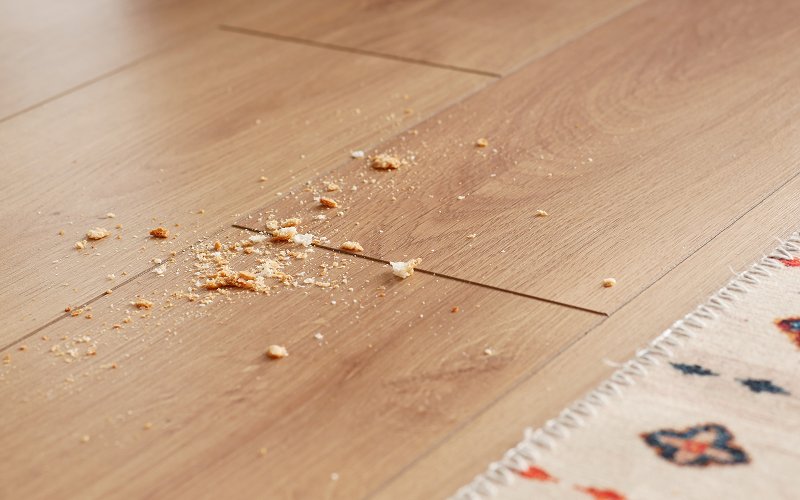
Floors are usually cleaned early after renovation, but ordinary mopping may not remove residue from joints, grout lines, and skirting edges. Fine dust can settle into tile gaps, vinyl seams, textured surfaces, and the narrow spaces where flooring meets the wall. When dust mixes with moisture, it can become harder to remove with a simple wipe.
A more comprehensive method may be needed for floors with textured surfaces, visible grout, or stubborn post-work residue. Depending on the floor material and level of accumulation, floor scrubbing services can help address areas that remain dull, dusty, or gritty after basic cleaning.
Dust Accumulated Within Air-Conditioning Units and Ventilation Points
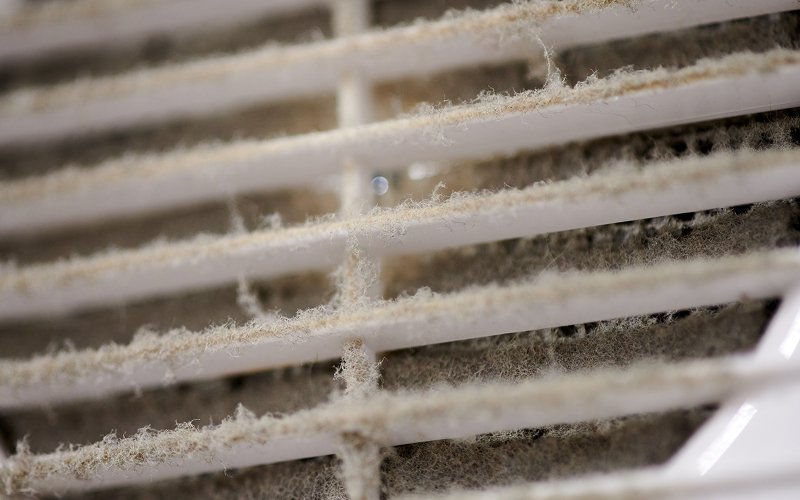
Air-conditioning is a common feature in many Singapore homes, which makes ventilation areas an important part of post-renovation cleaning. During renovation works, fine dust and residue can settle around air-conditioning grilles, filters, exhaust fans, and nearby ceiling openings.
If the focus is on removing hidden construction dust from home interiors, airflow points should receive similar attention as furniture, flooring, and visible surfaces. Homeowners should check accessible grilles, covers, vents, and surrounding ceiling areas for settled dust. If the unit was exposed during heavy renovation works, proper air-conditioning servicing may also be needed before regular use resumes.
Fine Particles Settled on Light Fixtures, Switches, and Electrical Fittings
Light fixtures, switches, socket covers, and electrical fittings are small but important areas to clean after renovation. Dust can settle on pendant lights, recessed light trims, switch plates, and power points during ceiling work, drilling, wiring, and fixture installation. These areas may not look heavily soiled, but they are often touched or exposed to heat during daily use.
When cleaning around electrical fittings, avoid moisture, abrasive wiping, and rough cleaning methods. Switches, sockets, light fixtures, and nearby wall areas can collect fine dust during renovation works, so they should be cleaned gently with suitable tools.
Dust Absorbed into Curtains, Upholstery, and Fabric Surfaces
Fabric surfaces can hold renovation dust even when they appear clean. Curtains, sofas, mattresses, cushions, fabric headboards, and upholstered chairs may absorb airborne particles during renovation or final touch-up works. Once these items are disturbed, the dust can return to the air or settle again on nearby surfaces.
For this reason, soft furnishing care should be considered when deep cleaning after renovation, especially when fabric items were delivered before cleaning was completed or left uncovered during minor works.
Depending on the material and level of exposure, vacuuming, steam cleaning, or other suitable fabric care may be required. Cleaning these surfaces helps reduce trapped dust in bedrooms and living areas, where comfort matters most after move-in.
Hidden Corners, Edges, and Hard-to-Reach Areas That Trap Dust
Renovation dust often settles in areas that are not usually reached during routine cleaning. These include behind doors, below cabinets, under sinks, behind appliances, along skirting edges, and around built-in fixtures. Such areas may not affect the first impression of the home, but they can continue to collect and release dust if left untouched.
A practical plan for cleaning after renovation should cover these spaces before furniture, appliances, and storage items make access more difficult. Once the home is fully furnished, hidden corners become harder to reach. Cleaning them early helps prevent dust from staying trapped behind new fittings and furniture.
Why Overlooked Areas Continue to Affect Cleanliness After Renovation

Post-renovation cleaning is not complete when visible dust has been removed. Hidden residue can remain inside cabinets, floor joints, window tracks, fabric surfaces, ventilation points, and hard-to-reach corners. These areas can continue to affect how clean the home feels, especially when dust reappears after the first few days of use.
Doctor Clean supports Singapore homeowners, tenants, and landlords who need a thorough post-renovation cleaning service before move-in, handover, or daily use resumes. With experience in post-renovation cleaning, deep cleaning, and related add-ons, the team can help address hidden dust and commonly missed areas with care and consistency.
Conclusion
A renovated home should feel clean, comfortable, and ready for daily living, not just presentable at first glance. The most commonly missed areas are often the ones that hold fine dust quietly, such as cabinet interiors, window tracks, grout lines, air-conditioning points, electrical fittings, fabric surfaces, and hidden corners. Knowing how to clean after renovation helps homeowners look beyond surface tidiness and deal with hidden dust before it becomes part of daily living.
For homeowners who want a more complete result, Doctor Clean provides a professional cleaning service that focuses on both visible surfaces and less visible areas where dust can settle.
Arrange a comprehensive post-renovation clean with Doctor Clean to clear hidden dust, renovation residue, and hard-to-reach areas before you move in, settle back in, or hand over the home.

 Doctor Clean