Key Takeaways
- New carpentry, laminates, adhesives, and furniture can continue releasing chemical compounds after renovation, especially in enclosed Singapore homes with limited airflow.
- A proper approach starts by identifying likely sources of emissions, then assessing the room layout, ventilation, humidity, and the number of new materials in the home.
- An effective application should address both affected surfaces and the surrounding airspace, rather than only masking odours or relying on general cleaning.
- Ventilation, post-application monitoring, and targeted follow-up help ensure the home remains more comfortable and better prepared before the family settles in.
Introduction
After renovation or new furniture delivery, a home can look complete while the indoor air still feels sharp, heavy, or uncomfortable. This can happen when formaldehyde is released from pressed wood, laminates, adhesives, built-in carpentry, coatings, and soft furnishings. In Singapore homes, where air-conditioning is common and windows may stay closed for long periods, these emissions can collect in bedrooms, wardrobes, study rooms, and compact living areas.
Formaldehyde treatment is a controlled process used to reduce airborne chemical compounds and support a cleaner, more comfortable indoor environment before occupants settle in. Rather than treating the issue as a simple odour problem, the process identifies where emissions come from, how they move through the home, and how they can be reduced through targeted application and proper air circulation.
Identifying Sources of Formaldehyde Within the Home Environment
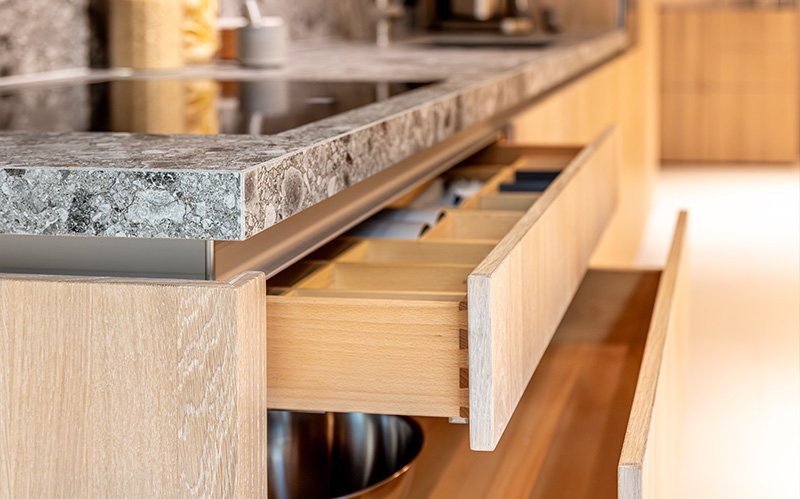
The first step is identifying where emissions are likely to come from. In newly renovated homes, common sources include kitchen cabinets, wardrobes, platform beds, storage systems, shelving, wall panels, flooring layers, and recently purchased furniture. These materials may release chemical compounds gradually, which means the smell or discomfort may not disappear immediately after renovation dust has been cleaned.
A focused inspection helps separate general renovation odours from areas where emissions may be more concentrated. This allows treatment to focus on higher-risk surfaces, enclosed fittings, and rooms with heavier material installation, instead of applying the same level of attention across the entire home without understanding the source.
Assessing Indoor Air Conditions Before Treatment Begins
Before treatment is carried out, the indoor environment should be assessed so the approach matches the actual condition of the space. Ventilation, humidity, room size, air-conditioning habits, layout, and the number of new materials can all affect how formaldehyde accumulates. A compact condominium bedroom with built-in carpentry may require a different approach from a larger home with wider openings and stronger airflow.
This supports the formaldehyde treatment process in indoor environments by identifying which areas require attention, how much coverage is needed, and whether air circulation should be improved. A proper assessment also helps homeowners understand why certain rooms may feel more affected than others.
Applying Treatment Across Affected Surfaces and Air Space
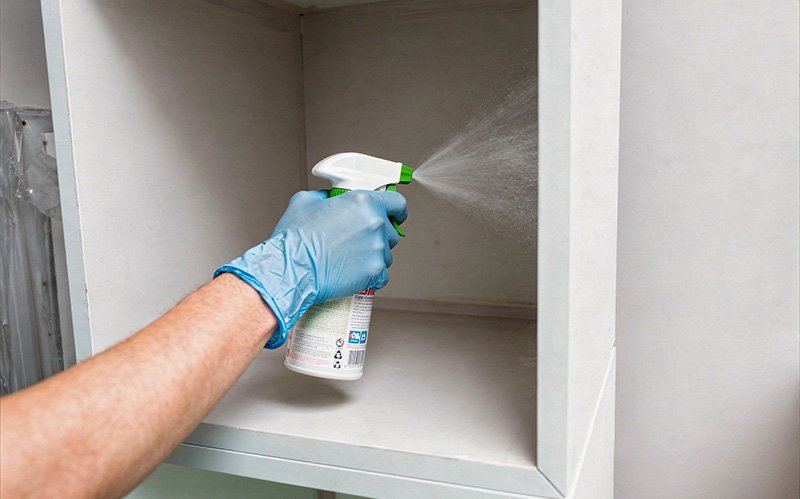
Once affected areas have been identified, formaldehyde treatment is applied across relevant surfaces and the surrounding air space in a controlled manner. This may include cabinet interiors, drawer compartments, wardrobe panels, upholstery, enclosed corners, and newly installed carpentry surfaces.
The aim is to address both airborne compounds and surface-level emissions instead of only improving how the home smells. For homeowners arranging post-renovation house cleaning, this step can complement the removal of fine dust, stains, debris, and construction residue, as chemical emissions are not always resolved through ordinary cleaning alone.
How the Process Works to Break Down Chemical Compounds
The process works by targeting the compound itself rather than masking odours with fragrance. In this stage, formaldehyde treatment helps specialised solutions or processes react with formaldehyde molecules, supporting their breakdown or conversion into less harmful substances, depending on the method used.
This explains how formaldehyde is neutralised in homes through a more active approach, rather than relying on open windows and waiting for smells to fade. Ventilation can support the process, but it may not be sufficient when emissions continue from adhesives, composite wood, laminates, or internal layers of newly installed materials.
Neutralising Residual Emissions Across Surfaces and Enclosed Areas
Even after the first application, residual emissions may continue because certain materials release trapped compounds gradually through off-gassing. This can be more noticeable in enclosed spaces such as wardrobes, cabinets, drawers, platform beds, storage rooms, and bedrooms with limited airflow.
Addressing both exposed surfaces and less visible areas helps reduce recurring build-up where emissions may continue after renovation or furniture installation. A room may seem cleaner after general washing, yet still hold chemical compounds within enclosed fittings or layered materials.
Managing Ventilation and Air Circulation During the Process
Ventilation and air circulation help the treated space stabilise more effectively. In Singapore, airflow conditions can vary across HDB flats, condominiums, and landed houses, especially when windows are limited or air-conditioning is used throughout the day.
During treatment, fans, open windows, or planned airflow routes may be used to help treated air move through the space instead of remaining trapped in one zone. This helps reduce chemical emissions after renovation, especially in enclosed rooms where humidity and limited ventilation can cause odours to linger.
Ventilation does not replace targeted treatment, but it supports the result by helping remaining airborne compounds disperse instead of staying concentrated in enclosed rooms.
Monitoring Air Quality After Treatment for Stability
After treatment is completed, the indoor environment needs time to settle. Monitoring helps confirm whether formaldehyde levels have decreased and remain more consistent after treated surfaces continue to release small amounts of residual compounds. This is useful before a family moves into a renovated home or begins using rooms with new carpentry and furnishings.
A stable result provides greater assurance that the improvement is not only temporary. It also helps identify whether any specific room, furnishing, or enclosed fitting may require further attention, especially if the property contains many new installations or areas with weak airflow.
Why Formaldehyde Levels May Persist Without Targeted Treatment
Formaldehyde levels may persist because many building and furnishing materials do not release all emissions at once. Instead, they may continue to release small amounts over time, especially in warm, enclosed, or poorly ventilated spaces.
General cleaning can remove dust, stains, and surface residue, but it does not always address compounds being released from within materials.
Air fresheners may make a room smell better temporarily, but they do not reduce the source of the issue. When the concern involves new carpentry, laminates, adhesives, or furnishings, support from a formaldehyde removal company may be more suitable than relying on ordinary cleaning alone.
Ensuring a Controlled and Reliable Treatment Outcome
A reliable outcome depends on a structured process that connects inspection, application, ventilation, and post-treatment checks. Doctor Clean supports Singapore homeowners with services suited to post-renovation cleaning, move-in preparation, deep cleaning, and specialised add-on needs.
Each home may have different emission sources, ventilation conditions, and occupancy requirements, so the treatment should be handled with care rather than applied as a one-size-fits-all service. With trained crews, residential project experience, and safe cleaning solutions, Doctor Clean helps homeowners prepare spaces that feel cleaner, more comfortable, and better managed after renovation or move-in.
Conclusion
Formaldehyde treatment is most effective when it is handled as a complete indoor air management process, not a quick deodorising step. It begins with identifying likely emission sources, assessing indoor conditions, applying treatment to affected surfaces and air space, managing ventilation, and checking that results remain stable.
For homeowners already considering deep cleaning services in Singapore, Doctor Clean can help assess whether targeted indoor air treatment should be included after renovation, move-in, or new furniture installation.
Speak with our team to arrange a suitable cleaning and treatment plan, so your home is ready with improved air quality, reduced exposure concerns, and greater confidence before your family settles in.
 Doctor Clean