Singapore’s humidity does something brutal to curtains — within months of a new BTO or condo move-in, fabric that looked pristine starts harbouring dust mites, mould spores, and that stuffy, stale smell that no amount of air-freshener can fix. Curtain cleaning Singapore residents often search for is not just about looks — it’s about air quality, allergies, and honestly, not being embarrassed when guests come over. At Doctor Clean, we’ve cleaned curtains in hundreds of Singapore homes and we want to break down exactly what steam cleaning and dry cleaning each do, when to use which, and why getting it wrong can shrink or ruin your fabric permanently.
A Real Story — Dusty curtains in a Tampines EC that triggered allergies
A homeowner in a Tampines Executive Condo reached out to us after her young daughter started sneezing every morning — the culprit turned out to be her floor-to-ceiling blackout curtains, which hadn’t been properly cleaned in almost two years. She had tried running them through her home washing machine on a gentle cycle, but the heavy blackout lining emerged misshapen and the curtain rod grommets were bent out of alignment. When our team arrived, we assessed the fabric type, identified a polyester-blackout blend that needed steam treatment rather than agitation washing, and completed the job on-site without ever taking the curtains down. She messaged us three days later to say her daughter had slept through the night without a single sneezing episode — that kind of result is exactly why we do this work.
Step 1 — Assess the fabric and care label before anything else
Before our team touches anything, we always read the care label and physically assess the fabric — this single step is what separates a professional result from a ruined curtain. In Singapore homes, we regularly encounter linen sheers, polyester blackout panels, velvet drapes, and delicate embroidered curtains imported from Johor or Batam, and each one has a completely different tolerance for heat and moisture. A fabric that looks like cotton might be a cotton-polyester blend that warps under high steam heat, or a velvet that flattens permanently if you apply the wrong pressure. We also check for sun damage along the top hem where curtains catch the most direct afternoon light — weakened fibres here can split during cleaning if you’re not careful.
Step 2 — Choose the right cleaning method for the curtain type
Once we know what we’re dealing with, we decide between steam cleaning and dry cleaning — and this choice matters enormously. Here’s how our team breaks it down for the most common curtain types we see across HDB flats, condos, and landed homes in Singapore:
- Steam cleaning — best for polyester, synthetic blends, and most modern blackout curtains; kills dust mites and mould spores without chemicals, safe for curtains left hanging on the rod
- Dry cleaning solvent method — best for delicate fabrics like silk, velvet, linen, and heavily embroidered panels where moisture would cause staining, shrinkage, or pile flattening
- Combination approach — for thick interlined curtains or heavily soiled panels in renovation-affected units, we sometimes pre-treat with a dry solvent, then finish with low-pressure steam to freshen and sanitise
“One thing most people don’t realise: steam cleaning curtains on the rod only works well if the steam temperature is calibrated correctly for the fabric — too low and you’re just pushing mould spores around, too high and you risk heat damage or water marks on delicate weaves. Doctor Clean uses adjustable commercial steamers, not the handheld units sold at Shopee, which is a significant difference in outcome.”
Step 3 — Execute the steam clean with proper technique and equipment
When steam cleaning is the right call, our team works from the top of the curtain panel downward in slow, overlapping vertical passes — this follows the direction of the weave and prevents streaking or moisture pooling at the hem. We keep the steam nozzle at a consistent distance from the fabric, typically five to eight centimetres depending on the weave density, and we never linger in one spot, which is the most common mistake DIY steamers make and the cause of those frustrating watermark rings you sometimes see on lighter curtains. For blackout panels, we pay special attention to the backing layer, which traps significantly more dust and skin-cell debris than the face fabric and is often completely overlooked by homeowners who think wiping the decorative side is enough. In homes near the MRT corridor — places like Bishan, Ang Mo Kio, or Jurong East where external dust and vibration are ongoing — we often find the blackout backing is heavily loaded with particulate matter that only proper steam extraction can dislodge.
Step 4 — Treat stains, odours, and mould spots before final finish
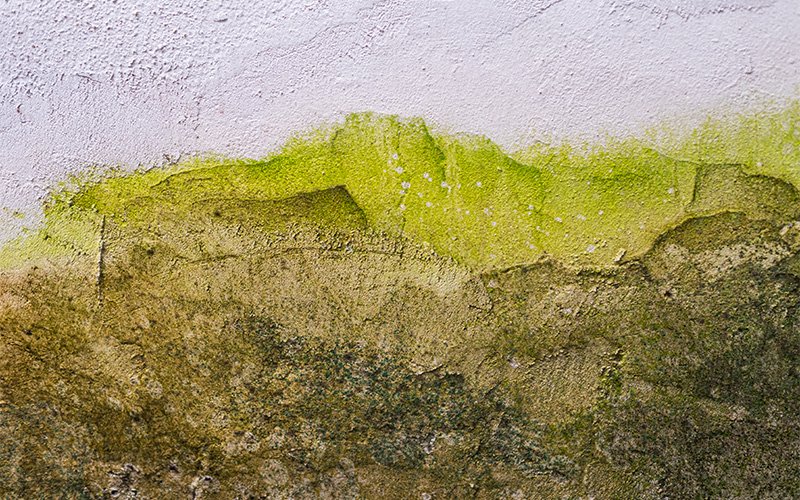
Singapore’s humidity means mould is not an occasional problem — it’s a recurring reality, especially in north-facing HDB bedrooms and bathrooms with curtains that never fully dry after the monsoon season opens the window. Before we do our final pass, we spot-treat any visible mould colonies or yellowing stains with appropriate solutions matched to the fabric type — enzyme-based treatments for organic stains on synthetics, solvent-based agents for grease or cooking residue on kitchen roller blinds, and anti-fungal treatments for mould that has penetrated below the surface. We always test any treatment product on a hidden section of the curtain first, typically a rear corner near the hem, and we wait for the reaction before proceeding — this patch-test step is non-negotiable at Doctor Clean and has saved many a customer from a permanent bleach mark or colour strip. Odour removal is also done at this stage: cigarette smell, cooking fumes, and pet odours in curtain fabric require an enzyme-based deodoriser worked into the fibres, not just a surface spray, which is why curtains cleaned professionally genuinely smell different from curtains that have just been aired out on a bamboo pole.
Step 5 — Final inspection, rehang, and drying guidance
After cleaning, our team does a full panel inspection under good lighting — checking for remaining marks, uniform colour, correct drape and pleat alignment, and any stress points in the fabric or header tape that might need attention. For curtains cleaned in-situ on the rod, we advise homeowners to keep the aircon or ceiling fan running for two to three hours to help the fabric dry evenly, particularly important in Singapore’s humidity where slow drying can re-introduce the musty smell you just paid to remove. We also give every customer a straightforward maintenance recommendation — most Singapore households benefit from a professional curtain clean every six to twelve months, depending on whether they have pets, young children, or live near construction sites like the many ongoing BTO projects across Tengah, Kallang, and Queenstown.
Why Singapore Homeowners Choose Doctor Clean
We’ve cleaned curtains across Singapore — from one-room rental flats in Toa Payoh to multi-storey landed homes in Bukit Timah — and our repeat customers come back because of results, not promises. Here’s what you actually get when you book with us:
- Fabric-safe cleaning every time: We assess your curtain type before we start and never apply a one-size-fits-all method — your silk sheers won’t be treated the same way as a polyester blackout panel.
- On-site service with no takeaway hassle: Most of our Singapore curtain cleans are done in-situ, meaning your curtains stay on the rod, you don’t have to live without window coverage for days, and there’s no risk of panels being mixed up or lost at a laundry facility.
- Trained team using commercial-grade equipment: Our steamers and dry-cleaning tools are professional-grade, calibrated for Singapore’s humidity conditions — not consumer appliances that redistribute rather than remove allergens.
- Transparent pricing, no hard sell: We give you an honest quote over WhatsApp before we show up, scoped to your actual curtain types and number of panels — no surprise add-ons at the door.
Frequently Asked Questions
How often should I clean my curtains in a Singapore HDB or condo?
For most Singapore households, we recommend a professional curtain clean every six to twelve months. If you have pets, young children, or anyone with dust allergies at home, lean toward the six-month schedule — curtains in Singapore accumulate dust mites and mould spores significantly faster than in drier climates. Homes near ongoing construction or MRT lines should also clean more frequently due to higher airborne particulate levels.
Can I steam clean my own curtains with a handheld steamer from Lazada?
You can, but the results are genuinely different from professional steam cleaning. Consumer handheld steamers often lack the temperature consistency and suction to fully extract loosened debris, which means you may dislodge dust mites without actually removing them from the fabric. For light maintenance between professional cleans, a handheld steamer is fine — but for a real deep clean, the equipment and technique gap is significant.
Will steam cleaning shrink my curtains?
Steam cleaning done correctly at the right temperature for your specific fabric will not cause shrinkage — but incorrect technique absolutely can. Natural fabrics like linen and cotton are more vulnerable to heat-related shrinkage than synthetics, which is why our team always checks the care label and adjusts steam temperature accordingly before starting. This is one of the main reasons we don’t recommend DIY steam cleaning on expensive or delicate curtain panels.
Do you clean curtains without taking them down?
Yes — for most curtain types, Doctor Clean cleans in-situ, meaning the curtains stay on the rod throughout the entire process. This is more convenient for homeowners, reduces the risk of re-hanging damage to heading tape or grommets, and produces excellent results for synthetic and blackout fabrics. Certain delicate panels — such as silk or heavily embroidered drapes — may require removal for careful dry cleaning, and we’ll always advise you clearly on this during our assessment.
Ready to get this sorted? WhatsApp Doctor Clean — honest quote, no hard sell, fast reply.
Tags
 Doctor Clean