
Key Takeaways
- Singapore’s humid conditions can cause surface patches to return when moisture, condensation, or poor airflow are not properly managed.
- Safe cleaning should begin with checking the size, spread, and severity of the affected area before choosing the right approach.
- Gentle preparation and careful wiping help reduce the risk of spores spreading to nearby furniture, fabrics, and surfaces.
- Long-term control depends on drying affected areas properly, improving ventilation, and addressing the moisture sources that allow mould to return.
Introduction
Knowing how to clean mould off walls safely is important in Singapore, where constant humidity, condensation, and limited airflow can make mould a recurring issue in homes, offices, rental units, and recently renovated spaces. Mould often begins as surface discolouration, but it may affect indoor air quality if spores spread through enclosed rooms.
For households with children, elderly family members, or occupants with respiratory sensitivities, a careful and measured approach matters. Safe cleaning is not just about removing visible marks. It also involves limiting spore movement, protecting wall surfaces, and managing the damp conditions that allow mould to return.
Assessing The Extent And Nature Of Mould Growth
Before you decide how to clean mould off walls, start by assessing the size, location, and pattern of the growth. This helps determine whether the issue is limited to the surface or linked to a deeper moisture problem. In Singapore homes, mould often appears near windows, bathrooms, wardrobes, air-conditioning outlets, or corners where condensation collects. A quick visual check can also reveal whether the mould-affected wall is spreading, recurring, or showing signs of surface damage.
Surface-Level Growth In Early Stages
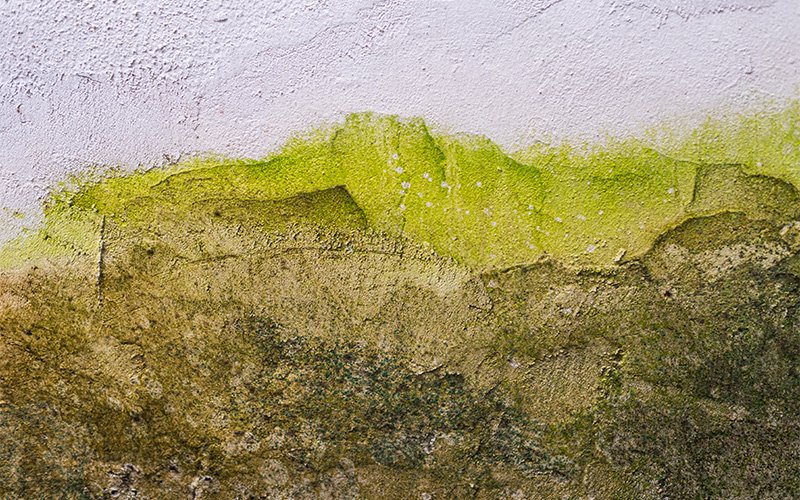
Early-stage mould usually appears as small patches, light staining, or speckled marks on painted walls. This is often caused by temporary humidity build-up, condensation, or limited airflow in enclosed rooms. When the wall surface is still firm and the marks have not spread widely, careful surface cleaning may be sufficient. However, the area should still be monitored after cleaning, as recurring stains may suggest that moisture is still present.
Signs Of Deeper Or Widespread Contamination
If mould returns in the same area, spreads across a larger section, or appears with peeling paint, bubbling, soft plaster, or a musty smell, the issue may extend beyond the surface. In these cases, mould growth in Singapore homes is often linked to persistent dampness, hidden leaks, or poor ventilation behind furniture and fixtures. Cleaning the visible patches alone may improve appearance temporarily, but it will not resolve the conditions that allow mould to keep forming.
Preparing The Area To Contain And Minimise Spore Spread
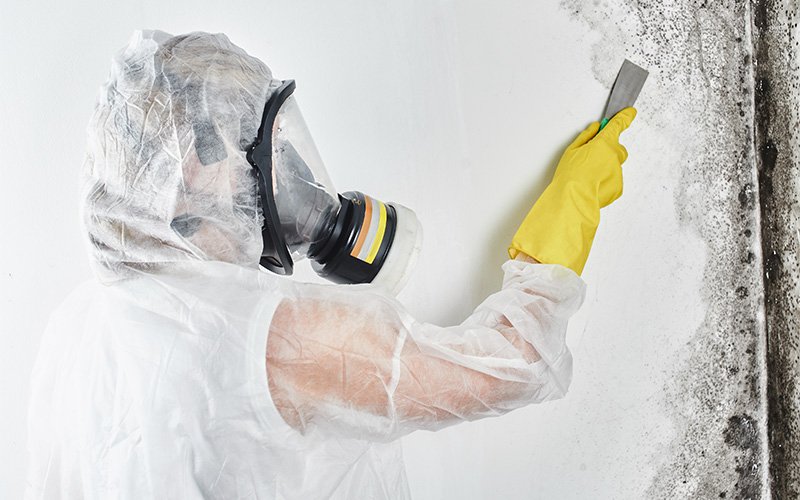
When planning how to clean mould off walls safely, preparation is essential because spores can spread when disturbed. Before cleaning begins, move nearby furniture, soft furnishings, and loose items away from the affected surface where possible. Cover surrounding surfaces if needed, especially flooring, cabinets, and fabric items. This creates a more contained cleaning zone and reduces the risk of spores settling on areas that were not originally affected.
Why Disturbing Mould Can Worsen Contamination
Dry brushing, scraping, or wiping mould too aggressively can release spores into the air. Once airborne, these spores may settle on nearby walls, curtains, furniture, or air-conditioning surfaces, making the problem harder to manage. A gentle and contained cleaning method helps reduce cross-contamination. This is especially important in compact Singapore apartments, where bedrooms, study corners, and living spaces may be closely connected.
Environmental Conditions That Affect Safe Preparation
Room layout, airflow, and surrounding materials all affect how easily spores spread during cleaning. Enclosed rooms with poor ventilation can trap spores, while strong fans may move them across the space before they are removed. Soft furnishings, carpets, and curtains can also retain particles if they are too close to the problem area. For larger clean-ups or end-of-tenancy situations, spring cleaning services in Singapore may be helpful when mould appears together with accumulated dust, grime, and moisture-related staining.
Removing Surface Mould Using A Controlled Cleaning Approach
Effective mould removal from walls requires a targeted process rather than harsh scrubbing. Apply a suitable cleaning solution in a measured and localised way to the affected area. Avoid over-saturating the wall, as too much moisture may weaken painted or plastered surfaces. After the solution has worked on the surface, use gentle wiping motions to lift the mould without spreading residue. Follow this by clearing remaining cleaning residue with a clean, damp cloth and drying the wall thoroughly.
This approach helps protect the wall while reducing the chance of recontamination. For small surface patches, it may help improve the affected area, but widespread growth, persistent odours, or repeated staining should be handled with greater caution.
It also prevents a common mistake: treating mould as a simple stain and using excessive force or too much liquid. If you are learning how to clean mould off walls, avoid mixing cleaning chemicals, especially bleach with ammonia-based products, as this can release harmful fumes. If the marked section is large, difficult to access, or linked to broader hygiene concerns, deep cleaning services in Singapore can provide more structured support.
Recognising When Mould Has Penetrated Beyond The Surface
After cleaning, check whether the wall looks stable and remains dry over the next few days. If the stain fades but returns quickly, the mould may have penetrated beneath the paint or into the wall material. This is often seen in areas affected by condensation, water seepage, or moisture trapped behind large furniture. A musty smell after cleaning can also indicate that the issue is not fully resolved.
In more persistent cases, repeated wiping only provides temporary relief. The underlying moisture source must be addressed before cleaning efforts can remain effective. This may involve improving ventilation, repairing leaks, drying the wall properly, or assessing whether the wall finish has been compromised. For tenants, landlords, and commercial clients preparing a unit for handover, this step is particularly important because unresolved mould can affect both appearance and indoor comfort.
Managing Moisture And Airflow To Prevent Future Mould Formation
Long-term indoor mould prevention depends on reducing the conditions that allow mould to grow. In Singapore, moisture can build up from air-conditioning condensation, bathroom humidity, poor airflow, wet laundry dried indoors, or rooms kept closed for long periods after aircon use. Keeping furniture slightly away from walls, wiping condensation from windows, using exhaust fans, and checking for water leaks can help reduce damp pockets that are not immediately visible.
For homeowners, tenants, and businesses, professional cleaning support can make this upkeep easier to manage, especially when mould appears alongside post-tenancy cleaning needs or broader hygiene concerns. Doctor Clean’s team can support this with cleaning solutions suited to Singapore homes and commercial spaces. Regular cleaning helps reduce dust and surface build-up that may support mould growth when combined with moisture. For households that need ongoing upkeep rather than one-time cleaning, a residential cleaning service can help maintain cleaner wall-adjacent areas, especially in rooms with limited ventilation.
Why Long-Term Control Requires A Structured Approach
Understanding how to clean mould off walls is useful, but lasting control requires more than removing visible patches. Surface cleaning improves appearance, yet spores and residual moisture may still remain if the area is not dried and managed properly. A consistent process brings assessment, containment, cleaning, drying, and prevention together, which is especially important in Singapore’s humid climate.
If mould keeps returning despite regular cleaning, consider engaging Doctor Clean for professional cleaning support to handle mould-affected spaces more safely and thoroughly. Our team can help refresh your home, rental unit, or workplace with professional cleaning support suited to Singapore’s humid indoor conditions.

 Doctor Clean