

Key Takeaways
- New furniture and built-in carpentry can release chemical emissions over time, especially when they contain pressed wood, adhesives, laminates, or surface finishes.
- Singapore’s warm and humid climate can make emissions more noticeable, especially in enclosed rooms with limited airflow.
- Ventilation, wiping, charcoal bags, and air purifiers may improve short-term freshness, but they may not fully address emissions that continue from furniture materials.
- A structured approach that includes source identification, controlled treatment, airflow management, and professional support can help create a safer and more comfortable indoor environment.
Introduction
New furniture, renovated interiors, and built-in carpentry can make a home feel more complete, but they may also introduce unwanted chemical emissions into the indoor environment. In Singapore, this is especially relevant for homeowners, tenants, and landlords moving into newly fitted spaces, where wardrobes, cabinets, built-in storage, panels, adhesives, and surface finishes may still be releasing gases after installation. For many households, the concern is not always obvious because formaldehyde can be present even when there is no strong smell.
Knowing how to remove formaldehyde from furniture safely starts with understanding that the issue is not only on the surface. Formaldehyde may come from various materials used in furniture production or renovation works, such as pressed wood, bonding agents, and surface finishes. These emissions can continue over time, especially in enclosed rooms where airflow is limited. A safer approach should therefore manage the furniture source, the surrounding air, and the indoor conditions that affect emission behaviour.
Step 1: Identify Furniture-Based Formaldehyde Sources Within The Home
The first step is to locate where the emissions are most likely coming from. Common sources include newly purchased cabinets, wardrobes, study desks, bed frames, shelving units, display panels, and built-in carpentry. In post-renovation homes, formaldehyde may also come from plywood, medium-density fibreboard, adhesives, sealants, or surface finishes used during installation. These materials do not always release emissions at the same rate, so the newest or most enclosed furniture zones should be assessed first.
To remove formaldehyde from furniture more effectively, homeowners should avoid treating the entire home as one general air problem without identifying the source. A bedroom with new wardrobes may need closer attention than an open living area with older furniture. Similarly, a study room with several new wood-based pieces may hold more emissions than expected if the doors and windows are often closed. By narrowing down the affected areas, treatment becomes more focused, efficient, and less disruptive.
Step 2: Assess Indoor Conditions That Influence Emission Levels
Singapore’s warm and humid climate can affect how quickly furniture releases chemical emissions. Higher temperature and moisture levels may increase formaldehyde release, while poor ventilation can allow gases to accumulate indoors. This is why the same piece of furniture may feel more noticeable in a small enclosed bedroom than in a larger, better-ventilated living area. Air-conditioning can improve comfort, but if there is little fresh air exchange, the room may still trap emissions.
This stage matters because formaldehyde emissions from furniture materials are influenced by both the material itself and the surrounding environment. Homeowners can support safer indoor conditions by opening windows when outdoor air quality is good, using fans to increase air circulation, and avoiding excessive indoor humidity where possible. However, ventilation alone may not resolve the issue if the source continues to release emissions over time, especially after renovation or when several new furniture pieces are introduced at once.
Step 3: Apply Controlled Treatment To Reduce Surface And Airborne Emissions\
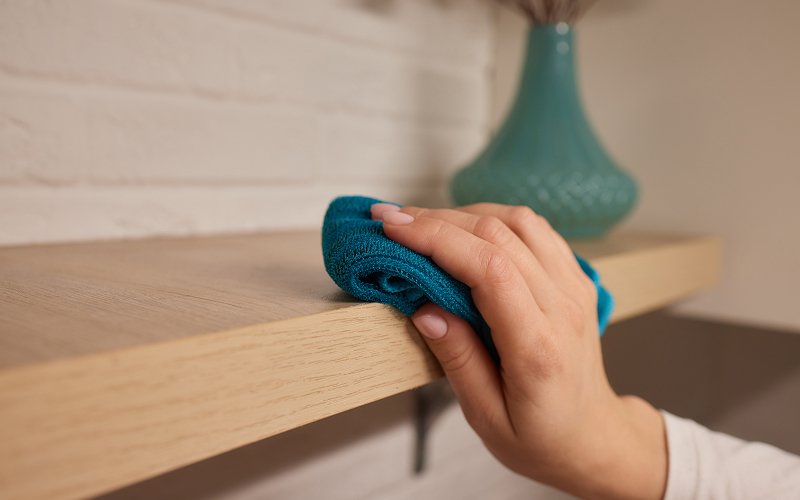
Once the affected areas and indoor conditions are understood, treatment should be carried out in a controlled, careful manner. General wiping, fragrance sprays, or odour absorbers may make a room smell fresher, but they do not always address the underlying source. A more thorough process should consider both the furniture surfaces and the surrounding air, so emissions are reduced rather than simply covered up.
Treat Exposed Furniture Surfaces With Care
This step focuses on the areas where emissions may continue to be released gradually after installation or purchase. To remove formaldehyde from furniture more effectively, treatment should cover exposed surfaces, panel edges, drawers, wardrobe interiors, shelves, cabinet doors, and enclosed compartments where emissions may be more concentrated.
This is especially important for built-in wardrobes, kitchen cabinets, and storage spaces that are often kept closed. Any treatment process should avoid excessive moisture, harsh residue, or unsuitable chemicals that may damage finishes or affect nearby flooring, fabrics, and household items.
Step 4: Manage Airflow And Stabilise Indoor Conditions After Treatment
After treatment, the home should not immediately return to the same closed-up conditions that allowed emissions to build up. Airflow helps dilute and move out remaining gases, while stable indoor conditions reduce the chance of emissions becoming concentrated again. This is particularly important in bedrooms, nurseries, study rooms, and home offices where people spend long hours.
Safe post-treatment management may include airing out wardrobes and drawers, keeping internal doors open where practical, using fans to support circulation, and avoiding unnecessary heat build-up around new furniture. Homeowners should also be mindful of off-gassing from indoor furniture surfaces, as emissions may continue gradually even after the initial smell fades. A room can feel comfortable at first, then become stuffy again if it is kept closed for long periods.
To remove formaldehyde from furniture more consistently, post-treatment habits should support the treatment process rather than work against it. This means allowing time for airflow, maintaining reasonable humidity levels, and monitoring for the return of discomfort in specific areas. If discomfort such as eye irritation, throat irritation, or a persistent chemical smell keeps returning, the source may still be active and may need more structured support.
Step 5: Recognise When Surface Measures Are Not Sufficient
Many homeowners begin with simple steps such as opening windows, wiping furniture, placing charcoal bags, or using air purifiers. These measures may improve immediate freshness or comfort, but they may not fully address continuous emissions from furniture materials. This is especially true for newly installed built-in carpentry, compact rooms, or homes where several renovation materials were introduced at the same time.
Understand The Limits Of Basic Ventilation And Cleaning
These everyday measures can be helpful, but they should not be mistaken for complete formaldehyde treatment. Ventilation can help disperse gases, and regular cleaning can remove dust or surface residue. However, these steps may only provide short-term relief if emissions are still coming from pressed wood, adhesives, or surface finishes. Charcoal bags and air purifiers may also help improve air quality, but their effectiveness can depend on placement, room size, usage conditions, and the scale of the emission source. If the same room continues to feel heavy or irritating, the issue may go beyond what surface cleaning can manage.
Know When A More Structured Approach Is Needed
A more structured approach becomes important when the problem continues despite reasonable household measures. This means the concern is not only the smell, but also the indoor air quality affected by furniture emissions over time. If discomfort keeps returning in rooms with new cabinets, wardrobes, desks, or built-in storage, the source may still be releasing emissions.
For households comparing home cleaning services in Singapore after renovation, handover, or move-in, it is helpful to treat dust removal, stain removal, disinfection, and formaldehyde treatment as separate but related needs. Each supports a cleaner indoor environment, but they do not perform the same function.
Separately, soft furnishings like sofas, mattresses, and curtains can hold dust, renovation residue, and lingering odours that affect a room’s overall freshness, which may require related support such as upholstery cleaning services to complete the home refresh.
When Professional Formaldehyde Removal Provides A More Reliable Outcome
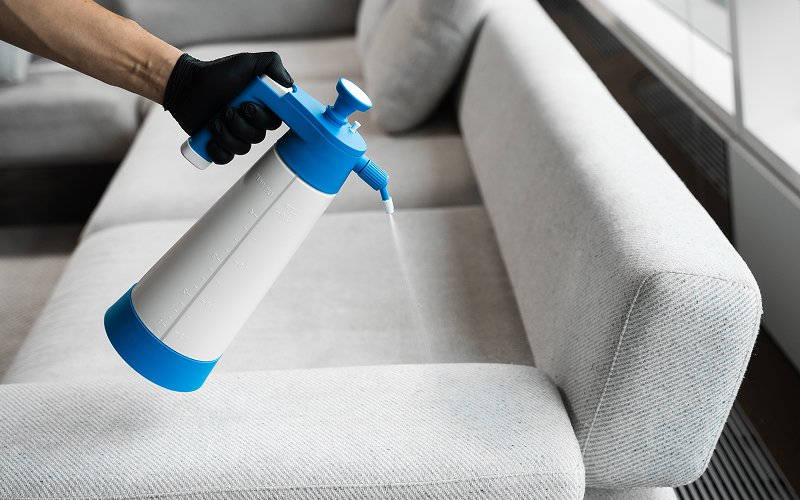
Professional support becomes useful when emissions persist, the home has extensive carpentry, or occupants want a more controlled process after renovation or new furniture installation. A professional workflow can assess affected zones, treat furniture surfaces more evenly, manage surrounding air conditions, and reduce the risk of unsuitable do-it-yourself methods. This is particularly valuable for families with young children, elderly residents, sensitive occupants, or households preparing a newly renovated space for daily use.
Doctor Clean provides formaldehyde removal support in Singapore as part of its specialised cleaning solutions for residential spaces. This aligns with the needs of Singapore homeowners, tenants, landlords, and renovation clients who want their homes to feel fresher, safer, and more comfortable after move-in, handover, or renovation work. With trained crews and safe cleaning solutions, the process can be managed more thoroughly while helping to preserve the condition of furniture and surrounding materials.
Conclusion
Learning how to remove formaldehyde from furniture safely requires more than masking odours or wiping visible surfaces. The process should start by identifying likely furniture sources, assessing ventilation and humidity conditions, applying controlled treatment, stabilising airflow after treatment, and recognising when general cleaning is insufficient. This structured approach helps homeowners respond to the issue more calmly and effectively, especially in Singapore homes where enclosed layouts and humid conditions can affect indoor comfort.
Arrange professional support with Doctor Clean to address furniture-related formaldehyde concerns safely and support a cleaner, more comfortable indoor environment after renovation, move-in, or new furniture installation.

 Doctor Clean