
Key Takeaways
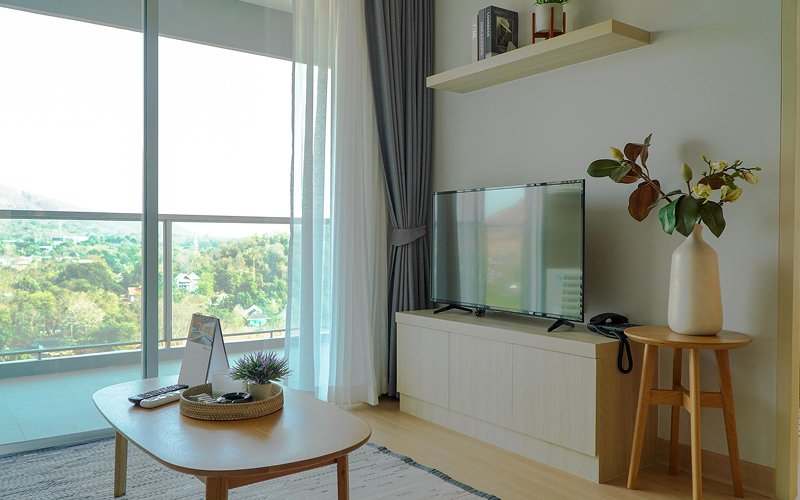
- New carpentry, cabinets, wardrobes, laminates, and upholstered pieces can continue releasing airborne compounds after installation, even when the space already looks clean and ready to use.
- Singapore’s warm, humid climate and common use of enclosed, air-conditioned rooms can make indoor emissions linger longer, especially in bedrooms, study rooms, storage areas, and compact offices.
- A clean smell is not always a reliable sign of good indoor air quality, as some airborne concerns may be difficult to detect without an obvious odour or visible residue.
- Better airflow, humidity control, regular surface cleaning, and targeted indoor air care can work together to support a fresher and more comfortable living or working environment.
Introduction
New wardrobes, cabinets, built-in carpentry, laminates, and upholstered furniture can improve the function and appearance of a home or office. However, some of these materials may also release formaldehyde from furniture into the air over time. Formaldehyde is a colourless gas commonly linked to pressed wood, adhesives, resins, surface coatings, and treated materials used in interior fittings.
In Singapore, this concern is especially relevant after renovation, move-in preparation, furnishing upgrades, or office fit-outs, where several new materials may be introduced at once. While stronger emissions may create a noticeable chemical smell, lower levels can go undetected and still affect how fresh or comfortable an enclosed space feels.
What Is Formaldehyde and Why Is It Present in Furniture?
Formaldehyde is used in many manufacturing processes because it helps bind materials together and improve the strength of engineered wood products. Common sources of formaldehyde in furniture include particleboard, plywood, medium-density fibreboard, laminates, adhesives, and coatings found in wardrobes, kitchen cabinets, shelving units, and built-in storage. These materials are practical and widely used because they support cost-efficient, space-saving designs for residential and commercial interiors. In Singapore homes, where built-in carpentry is often used to maximise compact layouts, these materials may continue influencing indoor air quality, especially in the first few months after installation.
How Furniture Releases Formaldehyde Into Indoor Spaces
Furniture releases gases through a process known as off-gassing, where chemical compounds gradually escape from the material into the surrounding air. Understanding how furniture releases formaldehyde gas helps explain why emissions can come from boards, joints, exposed edges, inner compartments, and coated surfaces even after installation work is completed.
The release is usually stronger when furniture is new, then it slows gradually as the material ages. However, emissions may still continue at lower levels for an extended period, depending on the furniture composition, finishing quality, room temperature, and airflow. This is why formaldehyde from furniture can remain relevant even after renovation dust has been cleared and the space appears clean.
How Singapore’s Indoor Conditions Affect Formaldehyde Levels
Formaldehyde concentration is not influenced by furniture materials alone. The way a room is used, cooled, ventilated, and enclosed also affects whether emissions disperse quickly or remain within the indoor environment.
Warm and Humid Conditions Can Increase Emissions
Singapore’s climate plays an important role in how indoor materials behave after installation. Warm temperatures and high humidity can increase the rate at which certain wood-based boards, adhesives, and upholstered surfaces release gases. In rooms with new wardrobes, cabinets, or built-in storage, this may make emissions more noticeable during the early settling period. Even when furniture is properly installed, the surrounding environment can still affect how quickly gases are released into the air.
Enclosed Rooms Can Limit Air Exchange
Air movement determines how effectively released gases are diluted and removed from the room. Many Singapore households and offices keep windows closed for long hours while using air-conditioning, which can reduce natural ventilation. Bedrooms, study rooms, nurseries, compact home offices, and enclosed storage areas may be more affected because air does not circulate as freely. Under these conditions, formaldehyde from furniture may build up indoors even when the space looks neat, organised, and well-maintained.
Why a Clean-Smelling Home Can Still Have Formaldehyde
A common misconception is that indoor air quality can be judged by smell. Stronger emissions may create a sharp or chemical odour, but lower concentrations are often difficult to detect. A home may smell clean because of regular cleaning, air fresheners, scented products, or recently opened windows, yet still contain airborne compounds from furniture materials.
Unlike dust, stains, or mould marks, formaldehyde does not leave visible residue on surfaces. This makes formaldehyde exposure in indoor environments different from typical cleanliness issues because the concern is airborne rather than visible on floors, shelves, or fabrics.
Impact on Indoor Air Quality and Daily Comfort
When formaldehyde accumulates indoors, it can affect how a space feels, even if it appears tidy. Some residents may notice a heavier atmosphere, lingering chemical presence, reduced air freshness, or discomfort in rooms with new carpentry or multiple furniture installations.
Sensitivity varies from person to person, which means one household member may notice the difference more than another. Children, older adults, and individuals who are more sensitive to indoor air conditions may find enclosed rooms less comfortable. For tenants, landlords, and office managers, formaldehyde from furniture can affect how ready a newly furnished or renovated space feels for daily use.
Why Furniture-Based Formaldehyde Is Often Overlooked
Furniture-related formaldehyde is often overlooked because many people associate indoor hygiene with visible cleanliness. After renovation or move-in cleaning, attention usually goes to dust removal, floor washing, glass cleaning, and sanitising high-touch areas. These tasks are important, but they do not directly stop gases from being released by furniture materials. Built-in cabinets, laminated surfaces, and storage systems can continue influencing air quality after surface debris and renovation residue have been removed. This is especially relevant in Singapore homes and offices, where compact layouts allow furniture, fabrics, curtains, and stored items to sit close together, making airflow more limited.
Practical Ways to Reduce Formaldehyde Build-Up Indoors

Reducing formaldehyde build-up requires more than keeping surfaces clean. It involves managing ventilation, humidity, and indoor materials so that airborne emissions do not remain trapped in enclosed spaces.
Where possible, homeowners can also ask renovation contractors, interior designers, or furniture suppliers about the materials used in built-in carpentry and large furniture pieces. Choosing lower-emission products, checking available certifications, and understanding how new materials will be installed can help reduce indoor concerns before the space is occupied.
Improve Air Movement Where Possible
Better airflow helps dilute emissions and move stale indoor air out of the room. Opening windows when outdoor conditions allow, using fans to encourage circulation, and airing newly furnished rooms before extended use can support a fresher indoor environment. This is especially useful after new carpentry, furniture delivery, or renovation work, when emissions may be more active. Rooms that are rarely opened should also be ventilated periodically so that air does not remain stagnant for long stretches.
Control Humidity in Enclosed Spaces
Humidity management is particularly important in Singapore because moisture can affect how certain materials release gases. Keeping rooms dry, avoiding prolonged dampness, and using dehumidifiers where suitable may help create a more stable indoor environment. Bedrooms, wardrobes, study rooms, and enclosed storage areas often need closer attention because they may have limited airflow. Managing humidity also supports general comfort, especially in homes where air-conditioning is used frequently.
Pair Surface Cleaning With Indoor Air Care
Surface cleaning and indoor air management serve different but complementary purposes. General cleaning removes dust, residue, and visible dirt, while targeted air care addresses concerns that cannot be wiped away. A more complete approach considers both hygiene and the way indoor materials interact with the surrounding air, especially in newly renovated or furnished spaces where emissions continue after surfaces have been cleaned.
Understanding the Need for Ongoing Indoor Air Management
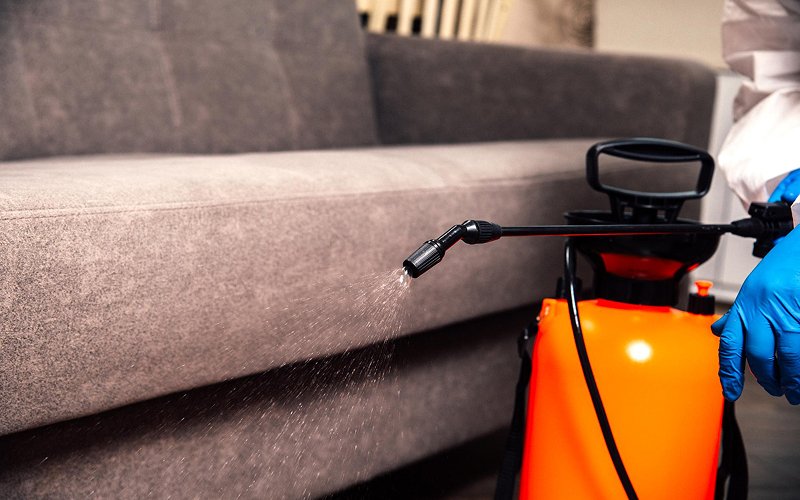
Managing formaldehyde from furniture is not a one-time concern because off-gassing does not stop immediately after installation. Homeowners who have recently completed renovations, tenants moving into newly furnished units, and office managers setting up new workspaces should treat indoor air quality as part of the handover and settling-in process.
Doctor Clean supports this need through specialised cleaning options that complement wider indoor care, including a formaldehyde removal service for spaces affected by new furniture, built-in carpentry, or post-renovation materials. This provides targeted support for concerns that surface cleaning alone may not address, while helping the space feel cleaner, fresher, and more comfortable to use.
Conclusion
A clean home or office should feel fresh, comfortable, and ready to use, not only visually presentable. While professional residential cleaning services in Singapore support surface hygiene and overall cleanliness, furniture-related emissions require a clearer understanding of indoor air behaviour.
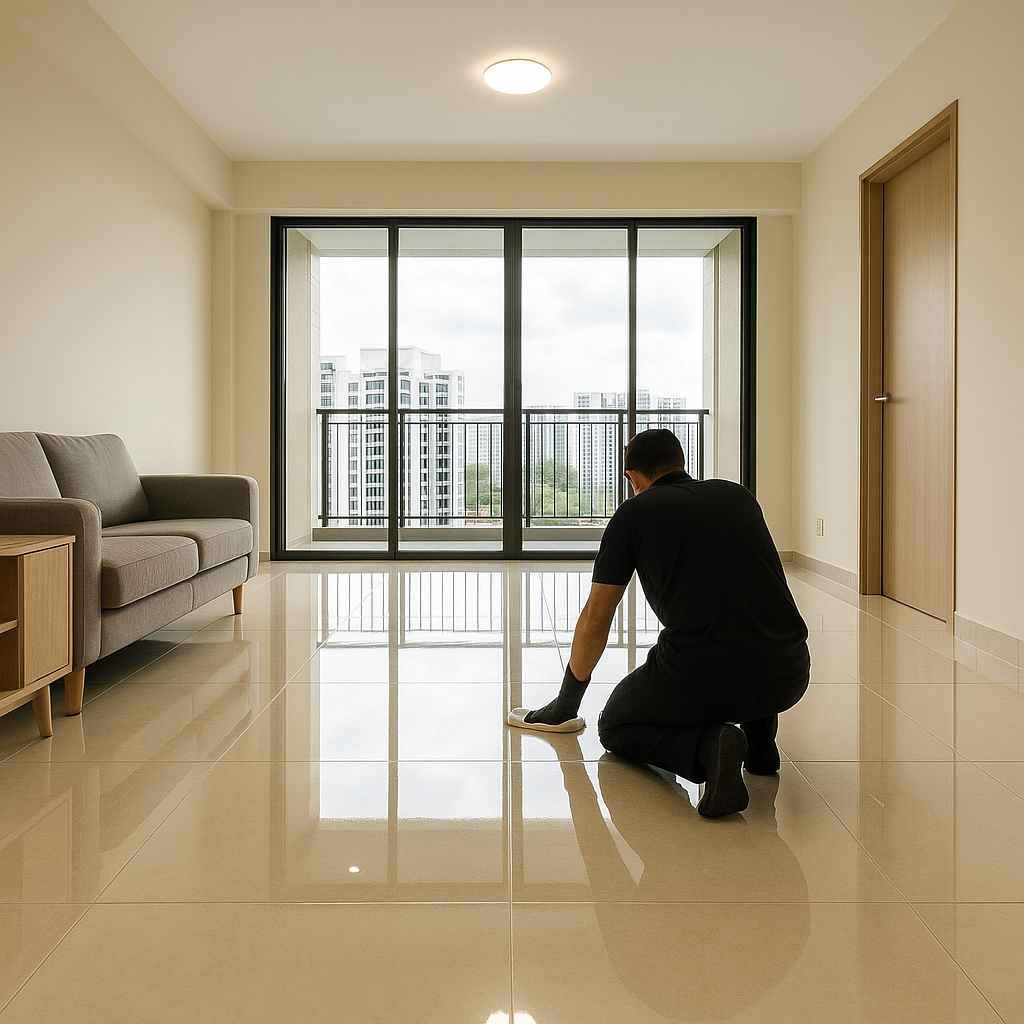
Doctor Clean provides professional cleaning support for residential and commercial spaces, including post-renovation, move-in, move-out, and specialised add-on services such as curtain steam cleaning where suitable.
Speak to our team to explore suitable post-renovation support for a cleaner, fresher, and more comfortable indoor environment.

 Doctor Clean