Key Takeaways
- Grease and cooking residue can collect inside hidden parts of the hood system, even when the exterior appears clean.
- Restricted airflow can cause smoke, odours, humidity, and airborne particles to linger longer in compact Singapore kitchens.
- Visible warning signs such as weak suction, oily filters, and persistent smells should be addressed before residue becomes harder to remove.
- Timely hood maintenance supports a cleaner, fresher, and safer home kitchen by improving ventilation and reducing hidden build-up.
Introduction
In many Singapore homes, the kitchen hood works quietly each time meals are prepared. It draws in smoke, steam, oil vapours, and fine cooking particles before they spread across the rest of the kitchen. This is especially important in HDB flats and condominium units, where kitchens may be compact, partially enclosed, or close to dining and living areas. When the hood is clean, it helps reduce lingering smells, keeps surfaces easier to maintain, and supports a more hygienic cooking space. This is why kitchen hood cleaning should be seen as part of responsible home maintenance, not just a cosmetic task.
Grease Build-Up Within Kitchen Hood Systems
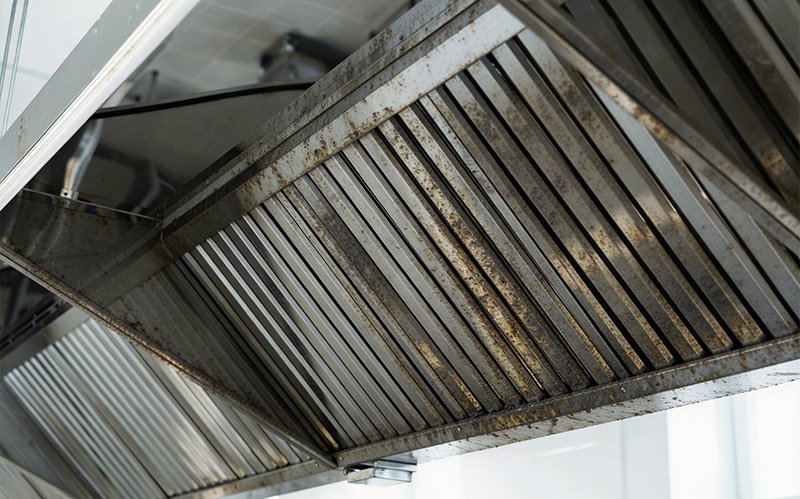
Everyday cooking releases oil vapours, smoke, moisture, and food particles. As the kitchen hood pulls these substances away from the cooking area, grease settles on filters, fan blades, inner panels, and hidden surfaces. This grease build-up in kitchen hood systems usually forms in thin layers, making it easy to overlook during regular upkeep. Homes that frequently prepare fried, grilled, or stir-fried dishes may experience faster accumulation because more oil is released into the air. Even when the outer casing looks clean, internal components may already hold residue that affects performance and kitchen cleanliness.
Reduced Airflow and Its Impact on Kitchen Ventilation
As grease thickens inside the hood, airflow becomes less efficient. The appliance may still switch on and run, but it may not extract smoke, steam, and odours as effectively as before. This can affect kitchen ventilation performance in enclosed spaces, especially in Singapore homes where natural airflow may be limited by layout, window position, or surrounding cabinetry. Once ventilation weakens, cooking smells linger longer, humidity rises more easily, and airborne particles remain around the kitchen after cooking. Regular cleaning helps restore clearer airflow so the hood can support a fresher cooking environment.
Fire Risk Associated with Grease Accumulation
Grease is flammable, which makes internal build-up more than a hygiene concern. As oily residue collects near heat, electrical parts, or moving components, the fire risk from accumulated cooking grease can gradually increase over time. This risk is difficult to judge by sight because much of the residue sits inside filters and internal compartments. A proactive cleaning routine helps reduce hidden grease deposits before they become harder to manage, especially in households that cook frequently with high heat or oil.
Spread of Grease Residue Across Kitchen Surfaces
When a kitchen hood loses extraction efficiency, airborne grease and particles do not disappear. They settle on cabinets, tiled walls, countertops, appliances, and nearby storage areas. This can leave surfaces feeling sticky even after routine wiping.
Over time, dust may cling more easily to oily areas, making the kitchen look dull shortly after housekeeping. Homeowners may then spend more time wiping visible surfaces without realising that the source is within the hood. In this way, maintaining the appliance properly helps protect the cleanliness of the wider kitchen, not just the hood itself.
Signs of Reduced Kitchen Hood Performance
A kitchen hood rarely becomes ineffective overnight. In most homes, the signs appear gradually, which makes them easy to dismiss as part of normal cooking conditions. Recognising these changes early helps homeowners act before grease becomes harder to remove or starts affecting the wider kitchen environment.
Common Warning Signs to Look Out For
These signs usually show that the hood is no longer removing smoke, grease, and odours as efficiently as it should. Common warning signs may include weaker suction, louder operating sounds, persistent cooking odours, visible grease on filters, and smoke spreading more than usual during cooking. Some households may also notice that the kitchen feels warmer, more humid, or heavier after meal preparation. When these changes appear together, they often point to internal residue rather than ordinary surface dirt.
Why Early Action Matters
Addressing these signs early helps prevent a small maintenance issue from becoming a more stubborn cleaning concern. Once grease has hardened inside filters or hidden surfaces, it can become more difficult to remove through ordinary wiping. Early cleaning helps maintain steadier airflow, reduces recurring odours, and keeps the kitchen more comfortable during daily use. It also helps homeowners avoid the frustration of repeatedly cleaning surrounding surfaces without resolving the source of the residue.
Differences Between Kitchen Hood Cleaning and General Cleaning
Many homeowners keep their kitchens visually clean through regular wiping, mopping, and surface maintenance. However, the kitchen hood collects residue in areas that are harder to see, which means the system may still hold grease even when the surrounding kitchen appears tidy.
What General Cleaning Usually Covers

General cleaning focuses on the visible areas that homeowners use and touch every day. This usually includes countertops, sinks, cabinet doors, stovetops, tiled surfaces, floors, and appliance exteriors. These areas are important because they affect the immediate cleanliness and comfort of the kitchen. For households that need extra support, general cleaning services in Singapore can help keep these visible areas in order during busy periods or after heavier household use.
What Kitchen Hood Cleaning Covers Internally
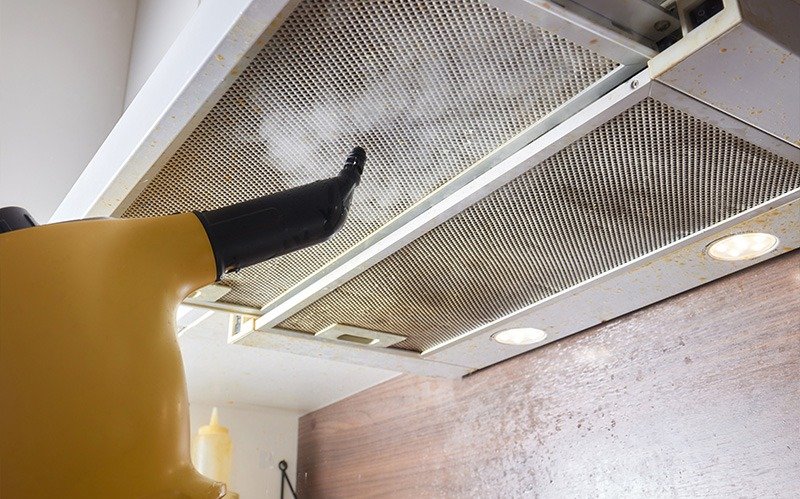
The hood requires a more targeted approach because residue often settles inside components that are not easily seen. Kitchen hood cleaning focuses on filters, inner panels, fan-related areas, and surfaces where oily residue can accumulate over time. Without attention to these internal parts, grease can continue affecting airflow, odour control, and kitchen hygiene even when the exterior looks clean. This makes hood cleaning a distinct part of home maintenance rather than a replacement for routine surface cleaning.
Why Home Kitchen Hoods Need Regular Attention
In a home setting, hood maintenance is often delayed because the appliance may still look usable from the outside. However, daily cooking can leave grease, smoke residue, and moisture inside filters and internal surfaces. This is particularly relevant for compact Singapore kitchens, where cooking fumes can quickly affect nearby cabinets, service yards, and living spaces if they are not extracted properly.
Because grease can settle behind filters and within the hood body, a clean exterior does not always reflect the condition of the parts that handle smoke and vapours. For households that need extra support keeping these areas consistently clean, professional home cleaning services can help maintain the surrounding kitchen environment alongside more targeted hood care. Regular attention helps prevent residue from settling deeper into the system and supports a more manageable home cleaning routine.
Long-Term Impact on Kitchen Hygiene and Safety
A well-maintained hood supports long-term kitchen hygiene by limiting the amount of grease and airborne residue that settles after cooking. It also helps maintain steadier airflow, control the spread of oily residue, and reduce the likelihood of grease collecting in hidden areas. For homeowners who have moved in recently or completed renovation works, the hood can affect how clean the kitchen feels after other areas have been restored.
Doctor Clean supports residential spaces with deep cleaning services for Singapore homeowners who need help managing built-up residue, stubborn grime, or more thorough home preparation.
Conclusion
A kitchen hood has a direct impact on how clean, comfortable, and safe a home kitchen feels during daily use. When smoke, grease, and airborne particles accumulate inside the system, the effects gradually spread beyond the appliance, affecting ventilation, odour control, surface cleanliness, and household safety. For Singapore homeowners and tenants, kitchen hood cleaning should be part of practical home care rather than an afterthought.
Schedule a professional cleaning with our team to remove built-up grease and keep your home kitchen cleaner, fresher, and safer for daily use.

 Doctor Clean