
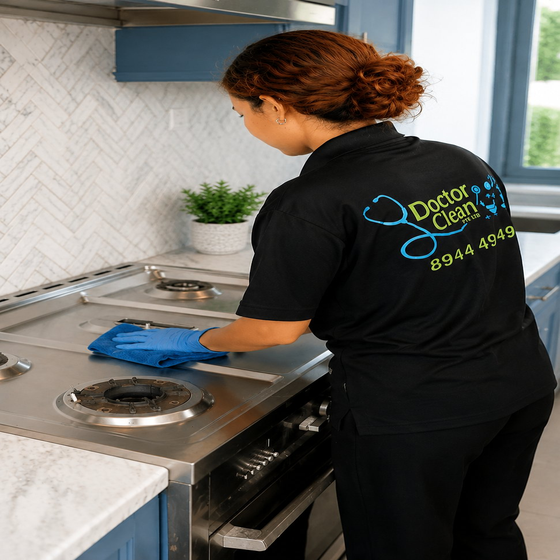
Once a year, every home deserves more than a tidy-up. Corners that haven’t been reached since the last Chinese New Year, ceiling fans caked with dust, grilles that have never been removed and properly washed — spring cleaning is the annual reset that brings a home back to its best. And when Doctor Clean handles it, it actually gets done properly.
Why spring cleaning is different from regular housekeeping
A weekly or fortnightly clean maintains a home. Spring cleaning restores it. The difference is depth — the areas that regular housekeeping doesn’t reach, the grime that builds up invisibly over twelve months, and the accumulated clutter and dust that no amount of surface wiping will shift.
Most households in Singapore do their big clean ahead of Chinese New Year — the tradition of welcoming the new year into a fresh, clean home runs deep. But a proper spring clean isn’t just symbolic. It genuinely improves the air quality, hygiene, and feel of a space in ways that show up in daily life long after the decorations come down.
Step 1 — Declutter before anything gets cleaned
Doctor Clean’s spring cleaning session begins with a clear-out. Items that have accumulated on shelves, in cabinets, in drawers, and in corners over the past year get sorted before the cleaning starts. Furniture gets moved. Items get repositioned. The space is opened up so that when the cleaning begins, nothing is left hiding underneath or behind something else.
This step alone changes the energy of a home. A decluttered room feels larger, lighter, and easier to clean thoroughly — and it stays cleaner for longer afterward.
Step 2 — The high places most people never reach
Ceiling fans are one of the most neglected surfaces in any home. Over twelve months, the blades accumulate a thick layer of dust that gets flung into the air every time the fan runs. Doctor Clean cleans every blade, the motor housing, and the pull cords — so the fan that’s been circulating dust through your living room all year finally stops doing that.
Light fixtures, cornices, and the tops of tall furniture and cabinets all get the same treatment. The places a regular clean skips — because they require a ladder, or because they’re out of sight — are exactly the places a spring clean targets.
Step 3 — Windows, grilles, and everything in between
Window grilles in Singapore collect a remarkable amount of grime — pollution, dust, and moisture combine into a layer of grey that builds up quietly over months. During a spring clean, Doctor Clean removes and scrubs the grilles properly, cleans the window glass inside and out, and wipes down the frames and tracks that are usually full of accumulated debris.
Clean windows and grilles make an immediate, visible difference to how a home looks and feels — both from inside and from the street.
The grout truth: Bathroom and kitchen grout absorbs moisture and grime constantly. By the time it looks visibly discoloured, it's been building for months. A proper spring clean scrub brings it back — and makes the entire room look significantly newer.
Step 4 — Cabinets, inside and out
Every cabinet in the home gets emptied, wiped, and reorganised. Kitchen cabinets that have collected cooking residue and crumbs on every shelf. Bathroom vanities with product rings and moisture stains inside. Bedroom wardrobes and storage units that haven’t been fully emptied since the last major clean.
The exterior surfaces get degreased and wiped too — cabinet doors, handles, and the gaps between drawers that somehow always collect dust no matter how clean everything else is.
Step 5 — Kitchen and bathroom deep clean
These two rooms take the most intensive attention during a spring clean, and for good reason — they’re used every single day and accumulate grime in ways that aren’t always visible until you get into the details.
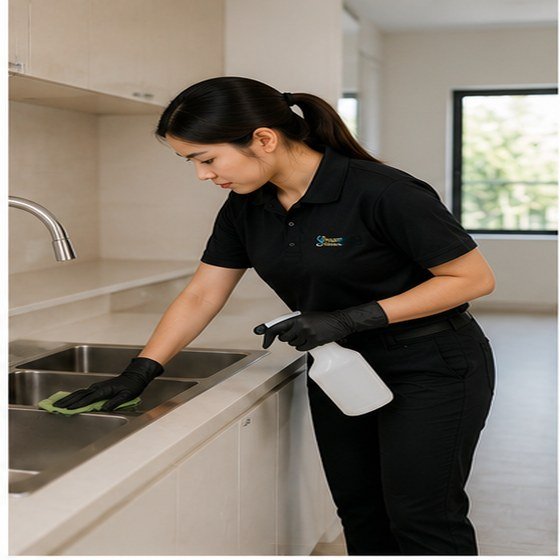
In the kitchen, Doctor Clean tackles tiled walls, the stovetop and surrounding surfaces, range hood filters, and every shelf and compartment that’s been accumulating grease all year. In the bathroom, grout lines get scrubbed, the toilet is cleaned inside and out including behind the cistern, and the shower area and sink are treated properly — not just wiped over.
Step 6 — Fixtures, fittings, and the details that matter
Spring cleaning is where the details get their moment. Plug sockets wiped down. Light switches cleaned. Mirrors polished streak-free. Clocks, lamps, and picture frames dusted properly. Skirting boards hand-wiped along every wall in every room. The bomb shelter, service yard, and balcony each given a proper clean — not just a quick sweep.
These are the things you notice subconsciously every day without realising it. When they’re clean, the whole home feels more cared for.
Step 7 — Floors as the final act
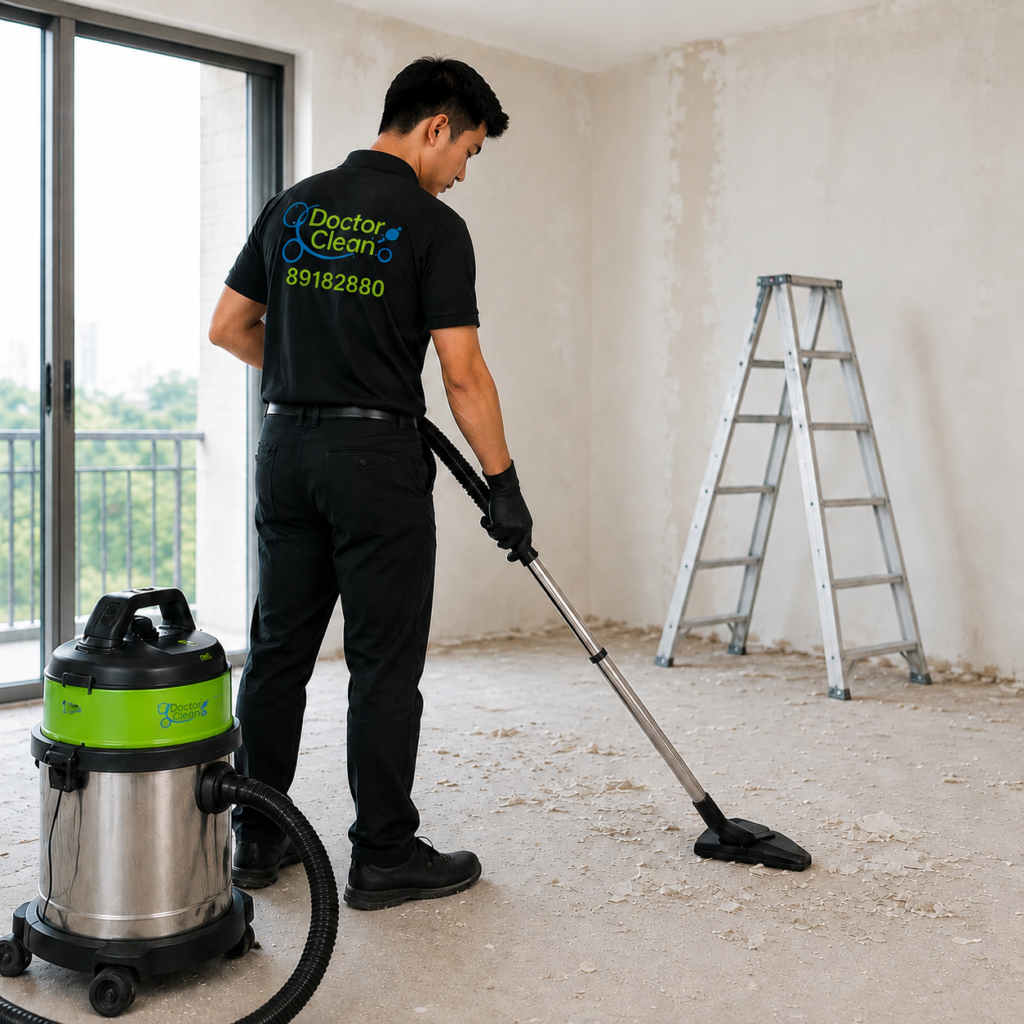
With everything above the floor cleaned and decluttered, the floors get their full attention last. Vacuum first — every room, every edge, under furniture that’s been shifted. Then a proper mop with the right solution for the floor type. Skirting boards get a final wipe-down to catch anything that came off the walls during cleaning.
By the time the team is done, you’re walking on floors that are genuinely clean — not just clean-looking.
 Doctor Clean
Great post! It’s so important to make the switch to eco-friendly cleaning products. Thanks for sharing these recommendations; I’m definitely going to check some of them out.