
Key Takeaways
- Moisture in the air can cause dust and fine particles to settle faster, making surfaces look dirty again soon after cleaning.
- Slow drying on floors, glass, counters, and bathroom surfaces can lead to streaks, marks, and a less polished finish.
- Soft furnishings like curtains, cushions, and mattresses absorb dampness, trapping stale odours.
- Managing airflow, drying time, enclosed corners, and soft furnishings keeps Singapore homes cleaner for longer.
Introduction
In Singapore, humidity in house environments is a constant part of daily living due to the country’s tropical climate. Moisture in the air affects how dust settles, how surfaces dry, how fabrics hold odours, and how comfortable rooms feel after cleaning.
For homeowners, tenants, and landlords, this means a freshly cleaned space may feel less comfortable faster than expected. Often, recurring cleanliness issues are not caused by poor upkeep alone but by how humidity interacts with airflow, materials, and furniture placement.
How Humidity in the House Affects Dust and Surface Build-Up
Higher moisture levels cause airborne particles such as dust, lint, pollen, and fine residue to absorb water and settle more quickly. Because damp air acts as a natural adhesive, these particles bind to furniture, floors, skirting, light fittings, shelves, and window ledges, creating a fine, stubborn layer that is harder to remove with light wiping. As a result, surfaces may look dull or dusty again shortly after regular cleaning, especially in homes near busy roads or open corridors.
Moisture Retention and Its Impact on Cleaning Results
When humid conditions remain high, cleaned surfaces may take longer to dry properly. This is common with tiled floors, mirrors, glass panels, bathroom fittings, kitchen counters, cabinet laminates, and service yard surfaces.
Slow drying can leave streaks, water marks, cloudy patches, or uneven finishes, even when suitable cleaning products have been used. Residual moisture may also attract fine dust and particles, significantly shortening the lifespan of your cleaning efforts.
This is especially noticeable in compact flats, enclosed bedrooms, bathrooms, and service yards, where airflow may be limited after daily use.
Effects on Fabrics, Upholstery, and Soft Furnishings
Soft materials respond to moisture differently from hard surfaces because they can absorb and hold dampness deep within their fibres. This makes curtains, cushions, mattresses, rugs, and upholstered furniture more likely to retain smells or lose their fresh, dry condition over time. In Singapore homes, these issues are often more noticeable in bedrooms, living rooms, and spaces where windows are kept closed for air-conditioning.
Curtains and Fabric Surfaces That Hold Moisture
Curtains often collect moisture from indoor air while also being exposed to outdoor particles from corridors, roads, nearby construction, or balconies.
If left unwashed, they can trap smells from cooking or pets. While they may appear clean from a distance, they often feel less crisp and well-maintained upon closer inspection.
In such cases, curtain steam cleaning can help refresh fabric surfaces that have absorbed moisture, dust, and odours.
Upholstery That Feels Damp or Stale Over Time
Often, upholstery signals humidity issues through touch and scent long before stains become visible. Sofas, cushions, and mattresses are used daily, so body moisture, food residue, dust, and humid air can settle into the fabric over time. A living room or bedroom can look presentable while still carrying a faint stale smell.
For fabric-heavy homes, homeowners may consider sofa deep cleaning in Singapore to address embedded dust, odours, and residue that regular surface wiping cannot fully remove.
Increased Risk of Mould and Microbial Growth
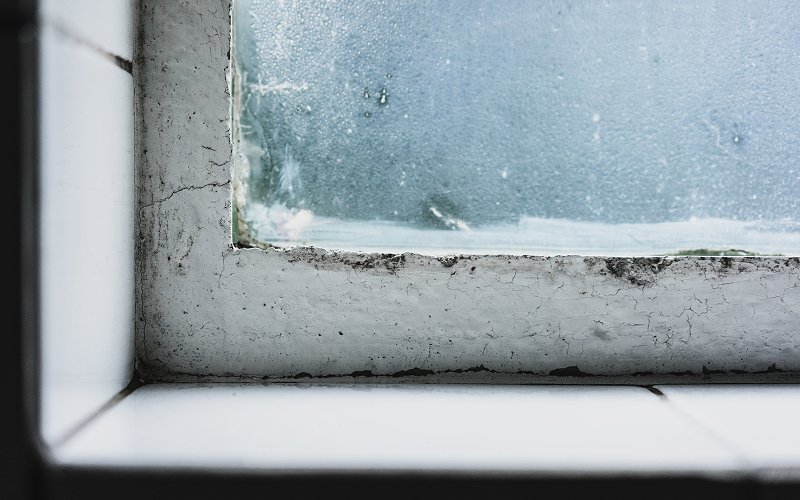
Moisture creates favourable conditions for mould and microbial growth when it combines with poor ventilation, trapped dust, and shaded surfaces. The risk is especially relevant in Singapore homes where furniture is placed close to walls, bathrooms stay damp after use, or storage areas receive little airflow. Such issues may develop gradually, which is why early signs are sometimes missed until they become more visible, in the form of marks, odours, or stains.
Hidden Areas Where Moisture Can Stay Trapped
Mould is more likely to develop in places where dampness stays undisturbed and airflow remains weak. Spaces behind wardrobes, bedframes, bathroom corners, window frames, ceiling edges, air-conditioning trunking, and walls blocked by large furniture can stay damp for longer because air does not circulate freely.
These areas may not appear dirty at first glance, but moisture can remain on surfaces and encourage mould to form over time. Checking these hidden spots is important because they can affect the overall condition of the room, even when visible surfaces appear clean.
Why Mould Issues Can Return After Surface Cleaning
Mould can return when visible marks are wiped away; however, the underlying moisture problem remains unresolved. Surface wiping may temporarily improve the appearance of an affected area, but dampness, poor airflow, and nearby dust can allow the issue to develop again.
Once moisture continues to affect the same corner, wall, or furnishing, small patches may spread to nearby materials, making the room feel less hygienic. A more thorough approach considers ventilation, drying time, furniture spacing, and the condition of nearby soft furnishings.
How Humidity in the House Affects Indoor Air and Comfort
Humidity in house conditions also affect how indoor spaces feel beyond visible cleanliness. Excess moisture can make rooms feel warmer, heavier, and less comfortable, especially in bedrooms, bathrooms, service yards, and enclosed areas with limited airflow.
Odours from cooking, damp fabrics, bins, pets, or bathrooms may also linger longer because humid air slows the rate at which smells disperse. A room can look tidy but still feel stale when moisture, particles, and poor ventilation persist, affecting comfort, usability, and the overall sense of hygiene.
Signs That Humidity Is Affecting Your Home Environment
Several signs may suggest that moisture is influencing indoor conditions. Surfaces may become dusty soon after wiping, mirrors or windows may show condensation, cupboards may smell musty, and fabrics may feel less dry than expected. Bathrooms, kitchens, and service yards may also remain damp long after use.
These signs often point to an environmental issue rather than a simple lack of cleaning.
Why Cleaning Alone Does Not Fully Address Humidity-Related Issues
Cleaning removes visible dust, dirt, stains, grease, and surface contaminants, but it does not remove moisture already present in the air. When indoor humidity remains high, the same surfaces and fabrics can quickly attract particles again.
This is why a home may look pristine immediately after maintenance but gradually feel damp, stale, or less comfortable within days. The issue is not always the quality of cleaning; effective home care requires balancing cleaning with proper ventilation, drying techniques, and smart furniture spacing.
The Importance of Managing Indoor Conditions Alongside Cleaning

For Singapore homes, consistent cleanliness depends on both proper cleaning and practical moisture control. Improving ventilation after showers, drying wet floors promptly, avoiding overpacked storage, keeping furniture slightly away from walls, and allowing airflow into enclosed rooms can reduce recurring dampness.
Doctor Clean’s deep cleaning services are designed to support homes where dust accumulation, surface residue, and fabric care need more thorough attention. This is especially useful in spaces where humid conditions cause moisture-related issues to return, rather than being resolved through routine cleaning alone.
Conclusion
Managing humidity in house environments directly affects how quickly dust accumulates, how long surfaces take to dry, how fabrics retain odours, and how comfortable your indoor spaces feel. In Singapore, successful home maintenance is a balance between regular cleaning and indoor condition management. By recognising moisture-related signs early, improving airflow, and paying closer attention to enclosed corners, soft furnishings, and frequently used rooms, you can ensure your home stays cleaner for longer.
To better manage dust, dampness, and hidden residue in your home, contact Doctor Clean to arrange a suitable cleaning service for your household.
 Doctor Clean